
Introduction
Importance of a Healthy Diet for Beginners
Starting a healthy diet is one of the most effective ways to improve overall well-being. Eating nutritious foods provides essential vitamins, minerals, and energy needed for daily activities. For beginners, establishing a balanced diet lays the foundation for long-term health, weight management, and increased energy levels.
Common Challenges When Starting a Diet
Many beginners struggle with confusing nutrition advice, unhealthy cravings, lack of meal planning skills, and difficulty staying consistent. These challenges can make starting a healthy diet feel overwhelming, leading some to give up before seeing results.
What Readers Will Gain From This Blog
This blog will guide beginners through the basics of healthy eating, offering practical tips for meal planning, smart food choices, and building sustainable habits. By the end, readers will have the knowledge and confidence to make informed dietary decisions and start their journey toward a healthier lifestyle.
Understanding a Healthy Diet
What Constitutes a Balanced Diet
Key Components
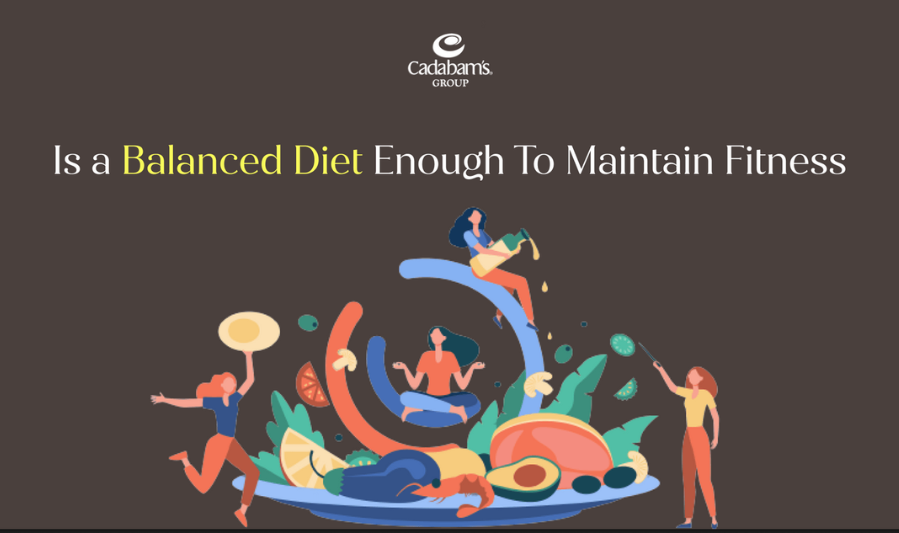
A balanced diet provides all the nutrients your body needs to function properly, including proteins, carbohydrates, healthy fats, vitamins, and minerals. It also emphasizes variety, moderation, and portion control.
Benefits of Balance
Eating a variety of nutrient-dense foods supports energy levels, overall health, and disease prevention, while reducing the risk of nutrient deficiencies.
Difference Between Fad Diets and Sustainable Diets
Fad Diets
Fad diets often promise quick results but may be extreme, restrictive, or unbalanced. They can lead to short-term weight loss but are hard to maintain and may cause nutrient deficiencies.
Sustainable Diets
Sustainable diets focus on long-term habits that provide balanced nutrition, flexibility, and enjoyment. They encourage steady progress and support overall health without drastic restrictions.
The Role of Macronutrients
Proteins
Proteins are essential for building and repairing tissues, supporting muscle growth, and keeping you full longer. Sources include lean meat, fish, eggs, legumes, and dairy.
Carbohydrates
Carbohydrates are the body’s main energy source. Focus on complex carbs like whole grains, fruits, and vegetables for sustained energy.
Healthy Fats
Fats are important for brain function, hormone regulation, and long-term energy. Sources include nuts, seeds, olive oil, and fatty fish.
Benefits of Eating Healthy

Improved Energy and Mood
Consistent Energy Levels
Eating a balanced diet with the right mix of carbohydrates, proteins, and fats helps maintain stable blood sugar levels, preventing energy crashes throughout the day.
Positive Impact on Mood
Nutrient-rich foods, including fruits, vegetables, and whole grains, support brain function and can improve mood and focus.
Weight Management
Supporting Healthy Weight
A nutritious diet helps regulate calorie intake naturally and supports gradual, sustainable weight loss or maintenance.
Reducing Unhealthy Cravings
Balanced meals with protein, fiber, and healthy fats keep you fuller longer, reducing the likelihood of overeating or snacking on processed foods.
Better Digestion and Gut Health
Promoting Healthy Digestion
High-fiber foods such as fruits, vegetables, legumes, and whole grains aid digestion and prevent constipation.
Supporting a Healthy Gut Microbiome
Eating a variety of nutrient-dense foods helps maintain beneficial gut bacteria, which is linked to improved immunity and overall health.
Reduced Risk of Chronic Diseases
Preventing Heart Disease, Diabetes, and Obesity
A diet rich in whole foods, healthy fats, and fiber can lower cholesterol, regulate blood sugar, and support a healthy weight.
Long-Term Health Benefits
Consistently eating nutrient-dense foods helps reduce inflammation and supports long-term health, lowering the risk of many chronic illnesses.
Step-by-Step Diet Tips for Beginners
Start Small and Make Gradual Changes
Avoid Overwhelm
Rather than overhauling your diet all at once, start with one or two manageable changes, like adding an extra serving of vegetables or swapping sugary drinks for water.
Build Consistency
Small, gradual adjustments are easier to maintain and lead to long-term success.
Eat Balanced Meals
Include All Macronutrients
Each meal should have a healthy combination of protein, complex carbohydrates, and healthy fats to provide sustained energy and support overall health.
Variety Is Key
Eating a variety of foods ensures you get all essential vitamins and minerals, keeping meals enjoyable and nutritious.
Portion Control and Mindful Eating
Learn Appropriate Portions
Use visual guides or simple measurements (like your hand) to avoid overeating.
Practice Mindful Eating
Pay attention to hunger and fullness cues, eat slowly, and minimize distractions during meals.
Plan Meals Ahead
Weekly Meal Planning
Plan your meals in advance to save time, reduce stress, and avoid impulsive, unhealthy choices.
Grocery List Preparation
Make a list before shopping to stick to healthy foods and reduce food waste.
Reduce Processed and Sugary Foods
Limit Empty Calories
Minimize highly processed snacks, sugary drinks, and fast food, which provide little nutrition and can hinder progress.
Choose Whole Foods
Focus on natural, minimally processed foods like fruits, vegetables, whole grains, lean proteins, and healthy fats.
Stay Hydrated
Importance of Water
Drinking enough water aids digestion, supports metabolism, and keeps you energized throughout the day.
Tips for Hydration
Carry a water bottle, sip regularly, and include water-rich foods like fruits and vegetables in your diet.
Get Adequate Sleep and Rest
Support Recovery and Appetite Regulation
Quality sleep helps regulate hunger hormones, reduces cravings, and supports overall energy levels.
Aim for Consistency
Try to maintain a regular sleep schedule of 7–9 hours per night to complement healthy eating habits.
Meal Planning and Preparation
How to Plan Weekly Meals
Start With a Simple Template
Create a weekly schedule for breakfast, lunch, dinner, and snacks. Begin with familiar meals and gradually add variety.
Balance Your Meals
Ensure each meal includes protein, complex carbohydrates, healthy fats, and plenty of fruits or vegetables.
Make a Grocery List
Based on your plan, list all ingredients needed for the week to avoid last-minute unhealthy choices.
Simple Meal Prep Ideas for Beginners
Batch Cooking
Prepare large portions of staples like rice, quinoa, or roasted vegetables, which can be used in multiple meals.
One-Pot or Sheet-Pan Meals
Simplify cooking by making meals that require minimal dishes, like stir-fries, casseroles, or sheet-pan roasted protein with vegetables.
Pre-Portion Snacks
Divide nuts, fruits, yogurt, or veggie sticks into individual servings for grab-and-go convenience.
Tips to Save Time in the Kitchen
Prep Ingredients in Advance
Wash, chop, and store vegetables or marinate proteins ahead of time.
Use Simple Recipes
Start with meals that take 20–30 minutes or less to prepare. Gradually expand your recipe repertoire.
Organize Your Kitchen
Keep frequently used items accessible, and store ingredients logically to reduce cooking time.
Healthy Snacks to Keep on Hand
Quick and Nutritious Options
- Fresh fruits (apples, berries, bananas)
- Nuts and seeds
- Greek yogurt or cottage cheese
- Veggie sticks with hummus
- Whole-grain crackers or rice cakes
Benefits of Ready-to-Eat Snacks
Having healthy snacks prepared prevents reaching for processed foods and helps maintain energy between meals.
you may also like to read these posts:
Luxury Living Lifestyle Secrets for a Premium Way of Life
How AI Is Shaping the Future in 2026: Key Headlines You Should Know
Latest Job Openings and Career Opportunities Today
How to Hire Talent: A Step-by-Step Guide for Employers
Top Employee Workplace Trends Shaping the Future of Work
Beginner Workout Plans: A Complete Guide to Start Your Fitness Journey
Common Mistakes Beginners Make
Skipping Meals
Why It’s a Problem
Skipping meals can lead to energy crashes, overeating later, and slowed metabolism. It can also make it harder to maintain focus and productivity.
Better Approach
Aim for balanced, regular meals and healthy snacks to keep energy levels stable throughout the day.
Following Extreme Diets
Risks of Extreme Diets
Highly restrictive diets may promise rapid results but can cause nutrient deficiencies, fatigue, and rebound weight gain.
Sustainable Alternatives
Focus on long-term, balanced eating habits that include all food groups and allow flexibility.
Ignoring Hydration
Consequences of Dehydration
Not drinking enough water can cause fatigue, poor digestion, headaches, and decreased workout performance.
Simple Solutions
Keep a water bottle nearby, sip regularly, and include water-rich foods like fruits and vegetables.
Overeating “Healthy” Foods
Portion Matters
Even nutritious foods can contribute to excess calories if eaten in large amounts, slowing progress toward goals.
Practice Mindful Eating
Pay attention to hunger and fullness cues, and use portion guides to avoid overeating.
Unrealistic Expectations
The Danger of Instant Results
Expecting rapid changes can lead to frustration and discouragement. Healthy eating is a gradual process.
Focus on Small Wins
Set achievable goals, celebrate progress, and remember that consistency over time produces lasting results.
Faqs:
How can beginners start a healthy diet?
Start with small, simple changes like drinking more water, eating more fruits and vegetables, and reducing sugary drinks and processed foods. Gradually build on these habits.
Do I need to count calories as a beginner?
Not necessarily. Focus on eating balanced meals, controlling portions, and choosing nutrient-rich foods. Calorie counting can be helpful later if you have specific weight goals.
How often should I eat each day?
Most beginners benefit from 3 balanced meals and 1–2 healthy snacks. The key is to eat consistently and listen to your body’s hunger cues.
Are snacks allowed on a healthy diet?
Yes! Healthy snacks like fruits, nuts, yogurt, or vegetables can help maintain energy levels and prevent overeating at meals.
How long does it take to see results from a healthy diet?
Results vary depending on your goals and consistency. Some changes, like increased energy and better digestion, can be noticed in a few weeks, while weight or body composition changes may take longer.
Conclusion
Starting a healthy diet as a beginner can feel overwhelming, but small, consistent steps make it manageable and sustainable. By understanding what a balanced diet looks like, avoiding common mistakes, and implementing simple strategies like meal planning, portion control, and mindful eating, you can gradually improve your energy, health, and overall well-being.
Remember, healthy eating is not about perfection—it’s about making better choices more often and building habits that last. With patience, planning, and a focus on progress rather than perfection, anyone can successfully adopt a nutritious lifestyle. Start today by making one small change, and let it lead to lasting, positive results.