

Introduction
Healthy habits are the foundation of long-term wellness. While major lifestyle overhauls can feel overwhelming, small, consistent changes—when practiced daily—can lead to significant improvements in physical, mental, and emotional health over time.
By adopting manageable habits such as staying active, eating nutritiously, staying hydrated, managing stress, and prioritizing sleep, you can create a lifestyle that supports energy, focus, and resilience.
In this blog, you’ll learn practical, actionable habits that are easy to incorporate into daily life. By following these strategies, you’ll gain tools to improve overall wellness, build lasting routines, and achieve a healthier, more balanced life.
Understanding Habits
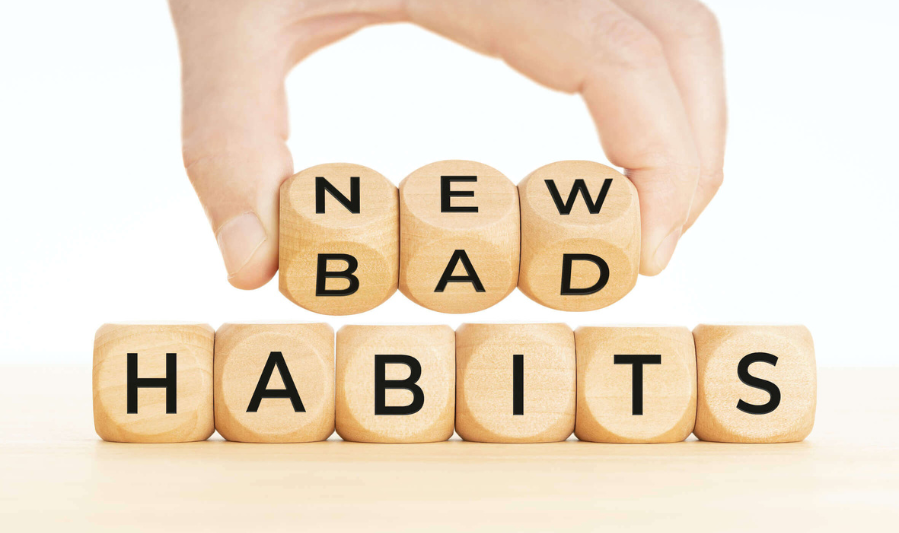
Developing healthy habits is the first step toward long-term wellness. Understanding how habits are formed and why they matter can help you make lasting changes in your daily routine.
2.1 What Are Habits?
- Definition: Habits are behaviors that become automatic through repetition, often triggered by cues in your environment or daily routine
- Formation in the Brain: Repeated actions strengthen neural pathways, making the behavior easier and more automatic over time
- Positive vs Negative Habits:
- Positive habits: Support health, productivity, and wellbeing (e.g., daily exercise, mindful eating)
- Negative habits: Harm health or productivity (e.g., excessive snacking, procrastination, smoking)
2.2 Why Habit Building Matters for Health
Physical Benefits:
- Boosts energy and endurance
- Supports weight management and metabolism
- Reduces risk of chronic diseases
Mental Benefits:
- Improves focus and cognitive function
- Reduces stress and anxiety through consistent routines
Emotional Benefits:
- Enhances mood and emotional stability
- Builds resilience and confidence in daily life
Tip: Focusing on small, achievable habits allows you to gradually replace negative behaviors with positive routines that improve overall wellness.
Starting Small and Being Realistic

Building lasting healthy habits works best when you start gradually and set realistic expectations. Trying to change too much at once can lead to frustration and burnout, while small, focused steps are easier to maintain and compound over time.
Focus on One Habit at a Time
- Concentrate on establishing one habit before adding another
- Mastery of one small change increases confidence and the likelihood of long-term success
- Example: Begin with drinking a glass of water every morning before tackling a new exercise routine
Set Achievable Goals to Avoid Overwhelm
- Break larger goals into manageable steps
- Use the SMART framework: Specific, Measurable, Achievable, Relevant, Time-bound
- Track progress to celebrate small wins, which reinforces habit formation
Examples of Small, Beginner-Friendly Health Habits
- Drink a glass of water first thing in the morning
- Take a 10-minute walk after lunch or dinner
- Add one serving of vegetables to a meal each day
- Practice 3–5 minutes of deep breathing or mindfulness daily
- Go to bed 15 minutes earlier to improve sleep gradually
Tip: Consistency is more important than intensity—small habits performed daily have a bigger impact than occasional extreme efforts.
Setting Clear and Specific Goals
Clear, well-defined goals make it easier to track progress and stay motivated when building healthy habits. Vague intentions often fail because it’s hard to know whether you’re succeeding. Specific goals give you direction and measurable milestones.
How to Create Measurable and Attainable Goals
- Break larger objectives into concrete, actionable steps
- Ensure goals are realistic based on your lifestyle, time, and resources
- Focus on one habit at a time to build consistency
Using SMART Goals
The SMART framework is a practical way to structure goals:
- Specific: Clearly define what you want to accomplish
- Measurable: Include metrics to track progress
- Achievable: Ensure it is realistic given your current lifestyle
- Relevant: Align with your overall wellness or life priorities
- Time-bound: Set a deadline or schedule to stay accountable
Examples
- Instead of saying “Stay hydrated,” try “Drink 2 liters of water daily.”
- Instead of “Exercise more,” try “Walk 20 minutes five times a week.”
- Instead of “Eat healthier,” try “Include one serving of vegetables with lunch and dinner each day.”
Tip: Writing down SMART goals increases commitment and provides a clear roadmap for turning intentions into consistent, lasting habits.
Creating a Routine and Consistency
Consistency is the key to turning healthy behaviors into long-lasting habits. By embedding new habits into your daily routine, they become automatic and easier to maintain over time.
Habit Stacking
- Definition: Linking a new habit to an existing one to create a reliable trigger
- Example:
- After brushing your teeth in the morning, drink a glass of water
- After your morning coffee, write down three things you’re grateful for
- Habit stacking makes new behaviors easier to remember and perform consistently
Consistency Over Intensity
- Focus on performing the habit daily or regularly, even if the effort is small
- Small, repeated actions compound into significant results over time
- Example: A 10-minute walk every day is more effective long-term than an hour-long walk once a week
Tips for Embedding Habits Into Daily Routines
- Schedule habits: Treat them like appointments on your calendar
- Use reminders: Phone alarms, sticky notes, or habit-tracking apps
- Start simple: Begin with manageable steps before increasing duration or intensity
- Anchor to daily rituals: Connect habits to morning, meal, or bedtime routines
- Track progress: Mark completed habits to reinforce consistency and celebrate small wins
Key Takeaway: Creating a routine and prioritizing consistency helps habits become automatic, reducing reliance on willpower and making healthy behaviors a natural part of your daily life.
You may also like to read these posts:
Luxury Living Lifestyle Secrets for a Premium Way of Life
How AI Is Shaping the Future in 2026: Key Headlines You Should Know
Latest Job Openings and Career Opportunities Today
How to Hire Talent: A Step-by-Step Guide for Employers
Top Employee Workplace Trends Shaping the Future of Work
Beginner Workout Plans: A Complete Guide to Start Your Fitness Journey
Tracking Progress and Accountability
Monitoring your habits is a powerful way to stay motivated and ensure long-term success. Keeping track of your progress provides clarity, reinforces commitment, and helps you adjust your approach when needed.
Tools for Tracking
- Journals: Write down daily actions, reflections, and achievements
- Apps: Use habit-tracking apps to set reminders and log progress
- Physical Trackers: Calendars, charts, or checklists to visualize streaks
Benefits of Monitoring Habits
- Motivation: Seeing progress encourages continued effort
- Self-Awareness: Helps identify patterns, triggers, and obstacles
- Accountability: Tracking creates a sense of responsibility and reinforces consistency
Celebrating Small Wins
- Acknowledge achievements, even minor ones, to maintain momentum
- Reward yourself with non-food incentives like a relaxing activity or a small purchase
- Reflect on progress weekly to see how small habits are building toward bigger goals
Tip: Regular tracking and celebrating successes turn abstract goals into tangible accomplishments, making it easier to stay committed to long-term wellness.
Faqs:
What is habit building for health?
Habit building for health is the process of creating consistent daily behaviors that improve physical, mental, and emotional wellbeing, such as exercising regularly, eating nutritious foods, and practicing mindfulness.
How long does it take to build a healthy habit?
Research shows it can take 21–66 days to form a new habit. Consistency and patience are key—small, repeated actions eventually become automatic.
How can I start building healthy habits without feeling overwhelmed?
Start small by focusing on one habit at a time. Choose realistic goals, track progress, and gradually add more habits as each one becomes routine.
What are some examples of healthy habits to start with?
Examples include drinking enough water, walking daily, eating more fruits and vegetables, practicing meditation, getting adequate sleep, and limiting processed foods.
How do I stay motivated to maintain healthy habits?
Use reminders, habit trackers, or accountability partners. Celebrate small wins and focus on progress rather than perfection. Visualizing the long-term benefits can also help sustain motivation.
Conclusion
Habit building for health is a powerful way to transform your lifestyle, improve energy, and boost overall wellbeing. By starting small, setting clear goals, staying consistent, and tracking progress, you can gradually replace unhealthy behaviors with positive, lasting habits.
Remember, patience and persistence are key—every small, daily step adds up to long-term health improvements. Commit to building one habit at a time, and over time, these consistent actions will lead to a healthier, happier, and more balanced life.