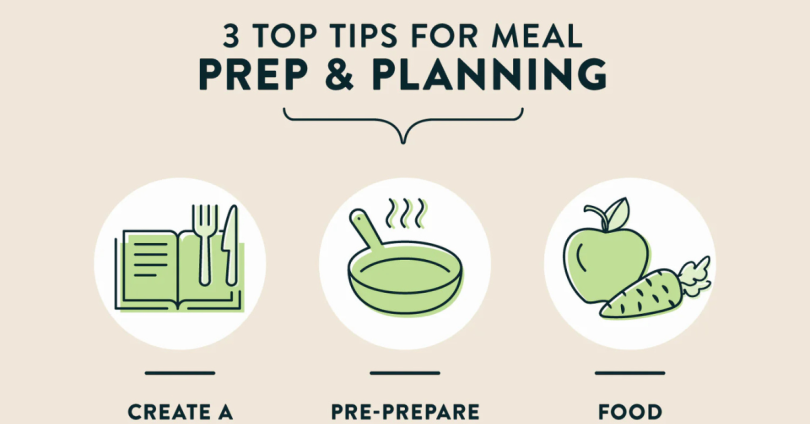

Introduction to Meal Planning
What Is Meal Planning?
A Simple Overview
Meal planning is the practice of deciding in advance what meals you will prepare and eat over a specific period, usually a week. It includes selecting recipes, organizing ingredients, and scheduling meals to reduce daily decision-making and stress around food.
Why Meal Planning Matters in a Busy Lifestyle
The Challenges of Modern Life
In today’s fast-paced world, balancing work, family, and personal commitments often leaves little time for thoughtful meal preparation. This can lead to unhealthy eating habits, frequent takeout, food waste, and increased expenses.
How Meal Planning Helps
Meal planning provides structure, saves time and money, reduces stress, and supports healthier food choices by helping you stay organized and prepared.
What You’ll Learn From This Blog
Practical and Actionable Insights
In this blog, readers will learn the fundamentals of meal planning, step-by-step strategies to get started, and tips for creating balanced meals even with a busy schedule. By the end, you’ll understand how meal planning can simplify your daily routine and improve your overall quality of life.
Why Meal Planning Matters
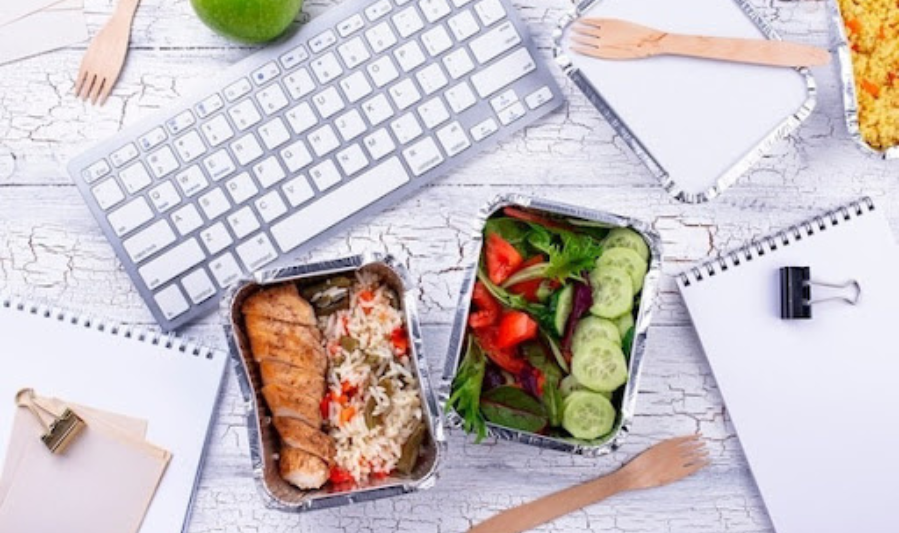
Health Benefits of Meal Planning
Better Nutritional Balance
Meal planning helps ensure meals include a variety of food groups, making it easier to meet nutritional needs and maintain a balanced diet.
Healthier Food Choices
Planning ahead reduces reliance on fast food and processed meals, supporting healthier eating habits and long-term wellness.
Time-Saving Advantages
Less Daily Decision-Making
With meals planned in advance, there’s no need to spend time deciding what to cook each day, making busy schedules more manageable.
Faster Meal Preparation
Pre-selected recipes and prepared ingredients significantly cut down cooking time during the week.
Cost-Saving Benefits
Smarter Grocery Shopping
Meal planning allows you to buy only what you need, preventing impulse purchases and unnecessary spending.
Fewer Takeout Expenses
Having planned meals at home reduces the temptation to order takeout, helping you save money over time.
Reducing Food Waste
Using Ingredients Efficiently
Planning meals helps ensure ingredients are used before they spoil, reducing food waste.
Better Portion Control
Preparing meals in appropriate quantities prevents leftovers from being thrown away.
Improving Eating Habits
Consistent Meal Times
Meal planning encourages regular meal schedules, which can support better digestion and energy levels.
Mindful Eating
Knowing what you’ll eat in advance promotes intentional food choices and healthier eating behaviors.
Setting Your Meal Planning Goals
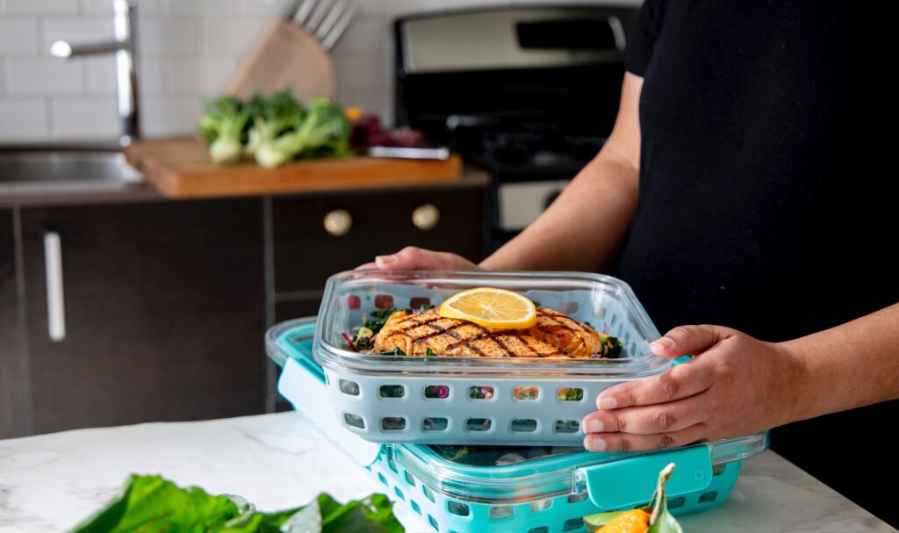
Weight Loss or Weight Maintenance
Managing Calorie Intake
Meal planning helps control portion sizes and calorie intake, making it easier to achieve weight loss or maintain a healthy weight.
Consistent, Balanced Meals
Planning balanced meals in advance prevents overeating and reduces unhealthy snacking throughout the day.
Muscle Building or Fitness Goals
Supporting Muscle Growth
Meal planning ensures adequate protein intake and proper nutrient timing to support muscle repair and growth.
Fueling Performance and Recovery
Well-planned meals provide the energy needed for workouts and help speed up recovery after exercise.
Budget-Friendly Meal Planning
Controlling Food Expenses
Setting a budget-focused meal plan helps prioritize affordable ingredients and avoid unnecessary spending.
Maximizing Value
Planning meals around sales, seasonal produce, and pantry staples helps stretch your food budget further.
Planning for Special Diets
Vegetarian and Vegan Diets
Meal planning makes it easier to ensure proper intake of protein, iron, and other essential nutrients on plant-based diets.
Gluten-Free and Other Dietary Needs
For gluten-free, dairy-free, or other special diets, planning ahead reduces the risk of accidental exposure and ensures safe, satisfying meals.
How to Start Meal Planning (Step-by-Step)
Choose Your Meal Planning Schedule
Weekly Meal Planning
Weekly meal planning is ideal for beginners and busy individuals. It offers flexibility and makes it easier to adjust meals based on changing schedules.
Monthly Meal Planning
Monthly meal planning works well for those who prefer long-term organization. It saves planning time but requires more structure and freezer-friendly meals.
Select Meals and Recipes
Consider Your Lifestyle and Preferences
Choose meals that match your cooking skills, time availability, and taste preferences to ensure consistency.
Mix Simple and Complex Recipes
Balance quick meals with a few more elaborate dishes to avoid burnout and keep meals interesting.
Create a Balanced Menu
Include All Food Groups
A balanced menu should include proteins, carbohydrates, healthy fats, and plenty of fruits and vegetables.
Plan for Variety
Rotate ingredients and cuisines to prevent boredom and ensure a wide range of nutrients.
Make a Smart Grocery List
Organize by Food Categories
Group items by sections such as produce, proteins, dairy, and pantry staples to shop more efficiently.
Stick to the List
Following your grocery list helps avoid impulse purchases, saves money, and keeps your meal plan on track.
Key Meal Planning Tips for Beginners
Start Small and Keep It Simple
Focus on a Few Meals
Begin by planning just a few meals per week instead of every meal. This makes the process less overwhelming and easier to maintain.
Choose Easy Recipes
Select simple recipes with minimal ingredients and preparation time to build confidence and consistency.
Repeat Meals to Save Time
Reduce Decision Fatigue
Repeating meals eliminates daily guesswork and makes grocery shopping faster and more efficient.
Build a Go-To Meal List
Create a short list of favorite meals that can be rotated weekly for convenience.
Cook in Batches
Save Time During the Week
Batch cooking allows you to prepare multiple servings at once, reducing the need for daily cooking.
Perfect for Meal Prep
Cooking in bulk makes it easier to store meals for later, ideal for busy weekdays.
Use Seasonal Ingredients
Fresher and More Nutritious
Seasonal produce is often fresher, tastier, and higher in nutritional value.
More Budget-Friendly
Buying seasonal ingredients is usually more affordable and helps reduce grocery costs.
Key Meal Planning Tips for Beginners
Start Small and Keep It Simple
Focus on a Few Meals
Begin by planning just a few meals per week instead of every meal. This makes the process less overwhelming and easier to maintain.
Choose Easy Recipes
Select simple recipes with minimal ingredients and preparation time to build confidence and consistency.
Repeat Meals to Save Time
Reduce Decision Fatigue
Repeating meals eliminates daily guesswork and makes grocery shopping faster and more efficient.
Build a Go-To Meal List
Create a short list of favorite meals that can be rotated weekly for convenience.
Cook in Batches
Save Time During the Week
Batch cooking allows you to prepare multiple servings at once, reducing the need for daily cooking.
Perfect for Meal Prep
Cooking in bulk makes it easier to store meals for later, ideal for busy weekdays.
Use Seasonal Ingredients
Fresher and More Nutritious
Seasonal produce is often fresher, tastier, and higher in nutritional value.
More Budget-Friendly
Buying seasonal ingredients is usually more affordable and helps reduce grocery costs.
You may also like to read these posts:
Luxury Living Lifestyle Secrets for a Premium Way of Life
How AI Is Shaping the Future in 2026: Key Headlines You Should Know
Latest Job Openings and Career Opportunities Today
How to Hire Talent: A Step-by-Step Guide for Employers
Top Employee Workplace Trends Shaping the Future of Work
Beginner Workout Plans: A Complete Guide to Start Your Fitness Journey
Creating Balanced and Nutritious Meals
Importance of Protein, Carbohydrates, and Healthy Fats
Role of Protein
Protein supports muscle repair, immune function, and helps keep you feeling full for longer. Include sources such as lean meat, fish, eggs, legumes, tofu, and dairy.
Role of Carbohydrates
Carbohydrates are the body’s main energy source. Focus on complex carbs like whole grains, fruits, and vegetables for sustained energy.
Role of Healthy Fats
Healthy fats support brain function and hormone balance. Choose sources like nuts, seeds, avocados, olive oil, and fatty fish.
Portion Control Basics
Understanding Serving Sizes
Learning appropriate portion sizes helps prevent overeating while still meeting nutritional needs.
Using Simple Visual Guides
Using methods like the plate method or hand portions can make portion control easier and more practical.
Adding Fruits and Vegetables
Increasing Daily Intake
Aim to fill half your plate with fruits and vegetables to boost vitamins, minerals, and fiber.
Variety and Color Matters
Eating a variety of colorful fruits and vegetables ensures a wider range of nutrients.
Healthy Snack Planning
Choosing Nutrient-Dense Snacks
Healthy snacks should combine protein, fiber, and healthy fats to keep hunger in check.
Preparing Snacks in Advance
Planning and prepping snacks ahead of time reduces reliance on unhealthy, convenience foods.
Faqs:
What is meal planning and why is it important?
Meal planning is the process of deciding your meals in advance. It is important because it saves time, reduces stress, helps you eat healthier, and prevents unnecessary spending on food.
How often should I plan my meals?
Most people find weekly meal planning the easiest and most effective. However, you can also plan meals for a few days or a full month depending on your schedule and lifestyle.
Is meal planning suitable for beginners?
Yes, meal planning is perfect for beginners. Start with simple meals, plan only a few days ahead, and gradually build the habit as you become more comfortable.
Does meal planning help with weight loss?
Yes, meal planning can support weight loss by helping you control portions, choose healthier foods, and avoid last-minute unhealthy meals or snacks.
What if I don’t have time to cook every day?
You can prepare meals in advance, cook in batches, or choose quick and easy recipes. Using leftovers and freezer-friendly meals can also save a lot of time.
Conclusion
Meal planning is a simple yet powerful tool for improving your overall lifestyle. By planning your meals in advance, you can save time, reduce stress, eat healthier, and manage your budget more effectively. You don’t need to be perfect—start small, stay flexible, and choose meals that suit your taste and routine. With consistency and a little effort, meal planning can become a sustainable habit that supports long-term health and well-being. Start planning today and enjoy the benefits of smarter, stress-free eating.