
Introduction
When it comes to weight loss, quick fixes and fad diets may offer temporary results, but they rarely lead to lasting change. Sustainable habits—small, consistent actions integrated into daily life—are far more effective for achieving and maintaining a healthy weight over the long term.
By focusing on gradual lifestyle adjustments rather than drastic restrictions, you can improve your nutrition, activity levels, and overall wellbeing without feeling deprived or overwhelmed.
In this blog, you’ll learn practical strategies for building healthy, sustainable habits that support weight loss, including nutrition tips, exercise routines, and mindful lifestyle practices. By implementing these approaches, you can achieve lasting results while enhancing your overall health.
Nutrition Habits
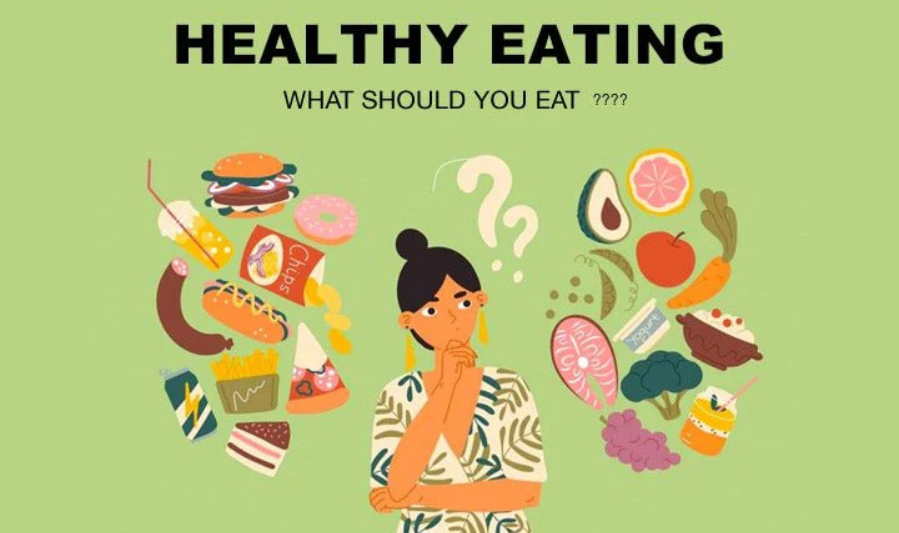
Nutrition plays a central role in sustainable weight loss. Rather than restrictive dieting, building consistent, healthy eating habits helps fuel your body, control cravings, and support lasting results.
2.1 Eat Balanced Meals
Focus on Whole Foods:
- Fruits and Vegetables: High in fiber, vitamins, and volume for fullness
- Lean Proteins: Chicken, fish, eggs, legumes, tofu to support satiety and muscle maintenance
- Whole Grains: Brown rice, oats, quinoa for steady energy and digestion
Limit:
- Processed and fast foods
- Sugary drinks and sweets
- Refined carbohydrates like white bread and pastries
Tip: Aim for balanced plates with protein, fiber, and healthy fats to stay full longer.
2.2 Portion Control
Tips for Managing Serving Sizes:
- Use smaller plates and bowls
- Measure portions occasionally to understand proper serving sizes
- Avoid eating straight from packages
Mindful Eating Techniques:
- Eat slowly and chew thoroughly
- Pay attention to hunger and fullness cues
- Stop eating when comfortably satisfied—not overly full
Avoid Emotional Eating:
- Identify triggers such as stress or boredom
- Replace snacking with a walk, deep breathing, or another healthy activity
2.3 Meal Planning and Preparation
Weekly Meal Prep Strategies:
- Plan meals for the week in advance
- Cook in batches to save time and reduce stress
- Keep healthy staples readily available
Healthy Snack Options:
- Nuts and seeds
- Greek yogurt or cottage cheese
- Fresh fruit or cut vegetables with hummus
Benefits of Meal Planning:
- Reduces impulsive food choices
- Supports consistent calorie control
- Saves time and money
Key Takeaway: Consistent nutrition habits—rather than strict dieting—are the foundation of sustainable weight loss and long-term wellbeing.
Nutrition Habits
Staying properly hydrated is a simple yet powerful habit that supports weight loss and overall health. Drinking enough water helps regulate appetite, boost metabolism, and improve energy levels throughout the day.
Recommended Daily Water Intake
- Aim for 8–10 glasses (2–2.5 liters) of water per day, adjusting based on activity level, body size, and climate
- Drink water consistently throughout the day rather than all at once
- Start meals with a glass of water to support digestion and portion control
How Hydration Supports Metabolism and Appetite Control
- Boosts Metabolism: Adequate hydration supports calorie burning and energy production
- Controls Appetite: Thirst is often mistaken for hunger—drinking water can reduce unnecessary snacking
- Improves Digestion: Water helps break down food and absorb nutrients efficiently
Creative Ways to Drink More Water
- Infused Water: Add lemon, cucumber, mint, or berries for natural flavor
- Herbal Teas: Caffeine-free teas provide hydration with variety
- Reusable Bottles: Carry a water bottle to track intake easily
- Warm Water: Especially helpful in the morning for digestion
Tip: If plain water feels boring, rotate flavors and temperatures to make hydration enjoyable and consistent.
Physical Activity Habits

Regular physical activity is essential for sustainable weight loss. Instead of extreme workout plans, consistent movement helps burn calories, improve metabolism, and support long-term health without burnout.
Types of Exercise
- Cardio: Walking, jogging, cycling, swimming to burn calories and improve heart health
- Strength Training: Bodyweight exercises, resistance bands, or weights to build muscle and increase metabolic rate
- Flexibility: Stretching, yoga, or mobility exercises to improve movement and reduce injury risk
- HIIT: Short bursts of high-intensity exercise for efficient calorie burning
- Walking: Low-impact, accessible, and highly effective for daily calorie burn
Tip: A balanced routine includes multiple exercise types for optimal results.
How Daily Movement Supports Weight Loss
- Burns calories throughout the day, not just during workouts
- Builds lean muscle, which increases resting metabolism
- Improves energy levels, making it easier to stay active
- Enhances mood and reduces stress-related eating
Tips for Busy Schedules
- Break workouts into 10–15 minute sessions
- Schedule movement like an appointment
- Walk during calls, take stairs, or park farther away
- Choose workouts you enjoy to improve consistency
Key Takeaway: Sustainable weight loss comes from consistent daily movement—not extreme exercise routines.
Sleep and Recovery
Sleep is often overlooked in weight loss, yet it plays a critical role in appetite control, metabolism, and overall recovery. Prioritizing quality sleep supports fat loss and makes healthy habits easier to maintain.
Recommended Sleep Duration
- Most adults need 7–9 hours of sleep per night for optimal health and weight regulation
- Consistent sleep and wake times help regulate the body’s internal clock and energy levels
How Sleep Affects Weight and Hunger Hormones
- Regulates Appetite Hormones: Poor sleep increases ghrelin (hunger hormone) and decreases leptin (fullness hormone), leading to overeating
- Supports Metabolism: Adequate rest helps the body efficiently burn calories
- Reduces Cravings: Quality sleep lowers cravings for high-sugar and high-fat foods
Tips for Improving Sleep Hygiene
- Maintain a consistent bedtime and wake-up schedule
- Avoid screens, heavy meals, and caffeine 1–2 hours before bed
- Create a relaxing bedtime routine (reading, stretching, meditation)
- Keep the bedroom cool, dark, and quiet
- Get natural daylight exposure in the morning to regulate sleep cycles
Key Takeaway: Quality sleep is a powerful weight-loss tool—better sleep leads to better food choices, improved energy, and healthier metabolism.
You may also like to read these posts:
Luxury Living Lifestyle Secrets for a Premium Way of Life
How AI Is Shaping the Future in 2026: Key Headlines You Should Know
Latest Job Openings and Career Opportunities Today
How to Hire Talent: A Step-by-Step Guide for Employers
Top Employee Workplace Trends Shaping the Future of Work
Beginner Workout Plans: A Complete Guide to Start Your Fitness Journey
Stress Management
Stress plays a significant role in weight gain and difficulty losing weight. Chronic stress can trigger unhealthy eating patterns and disrupt hormones that regulate appetite and fat storage. Learning to manage stress effectively is essential for long-term weight loss success.
How Stress Impacts Weight and Cravings
- Increases cortisol, a stress hormone linked to fat storage, especially around the abdomen
- Triggers cravings for high-sugar and high-fat comfort foods
- Leads to emotional eating and mindless snacking
- Disrupts sleep and energy levels, making healthy choices harder
Stress-Reduction Techniques
- Meditation & Mindfulness: Improves awareness of hunger cues and emotional triggers
- Deep Breathing: Activates the relaxation response and reduces cortisol levels
- Journaling: Helps process emotions and identify stress-related eating patterns
- Light Physical Activity: Walking or stretching can significantly reduce stress
Small Daily Practices to Reduce Emotional Eating
- Pause and take 5 deep breaths before eating
- Ask yourself if you’re physically hungry or emotionally triggered
- Replace stress snacking with a short walk, stretching, or a calming tea
- Keep a simple journal to track moods and eating habits
Key Takeaway: Managing stress consistently—through small, daily practices—reduces emotional eating and supports healthier weight loss habits.
Mindset and Motivation
A healthy mindset is just as important as diet and exercise when it comes to sustainable weight loss. Staying motivated, setting realistic expectations, and recognizing progress help you maintain healthy habits over the long term.
Importance of Setting Realistic Weight Loss Goals
- Focus on gradual, sustainable progress rather than rapid weight loss
- Set goals based on habits and behaviors (e.g., consistency with workouts) rather than just the scale
- Realistic goals reduce frustration and improve long-term success
Tracking Progress
- Journals: Record meals, workouts, moods, and reflections
- Apps: Track nutrition, exercise, and habit consistency
- Photos: Progress pictures can show changes that the scale doesn’t reflect
Tip: Track multiple indicators of progress, such as energy levels, strength gains, or improved sleep.
Celebrating Small Wins
- Acknowledge non-scale victories like better endurance, looser clothes, or improved confidence
- Reward progress with non-food incentives such as new workout gear or a relaxing activity
- Reflect weekly on achievements to reinforce motivation
Key Takeaway: Sustainable weight loss is a mindset-driven journey—celebrating small wins and focusing on progress keeps motivation strong and habits consistent.
Faqs:
What are healthy habits for weight loss?
Healthy habits for weight loss are sustainable daily practices such as eating balanced meals, staying active, managing portions, getting enough sleep, and staying hydrated that support long-term fat loss.
How long does it take to see results from healthy habits?
Results vary for each person, but with consistency, many people notice changes in energy and body composition within a few weeks. Sustainable weight loss typically occurs over several months.
Can I lose weight without following a strict diet?
Yes. Focusing on healthy habits like portion control, whole foods, regular exercise, and mindful eating is often more effective and sustainable than strict dieting.
How important is exercise for weight loss?
Exercise helps burn calories, boost metabolism, and preserve muscle mass. Combining physical activity with healthy eating produces the best weight loss results.
Why is sleep important for weight loss?
Poor sleep disrupts hunger hormones, increases cravings, and slows metabolism. Getting 7–9 hours of quality sleep supports healthy habits for weight loss.
Conclusion
Adopting healthy habits for weight loss is the most effective way to achieve sustainable results and improve overall wellbeing. By focusing on balanced nutrition, portion control, regular physical activity, quality sleep, stress management, and consistency, you can create a lifestyle that supports long-term weight management.
Remember, weight loss is a gradual process—small daily habits add up over time. Stay patient, stay consistent, and focus on progress rather than perfection to achieve lasting success.