

Introduction
Importance of Nutrition in Fitness
Nutrition plays a vital role in achieving fitness goals, whether the aim is weight loss, muscle gain, or overall physical health. The food we eat provides the energy needed for workouts, supports muscle function, and fuels the body for daily activity. Without proper nutrition, even the best training programs may fail to deliver optimal results.
The Connection Between Diet, Performance, and Recovery
A well-balanced diet directly impacts exercise performance and recovery. Carbohydrates supply energy for workouts, protein supports muscle repair and growth, and healthy fats aid in hormone balance and joint health. Proper nutrition before and after exercise helps improve endurance, strength, and recovery time, reducing fatigue and the risk of injury.
What Readers Will Gain From This Blog
In this blog, readers will gain a clear understanding of how nutrition supports fitness performance and recovery. You’ll learn practical nutrition strategies, meal planning tips, and food choices that align with different fitness goals, helping you train smarter, recover faster, and achieve sustainable results.
Understanding Fitness Nutrition
What Fitness Nutrition Means
Definition of Fitness Nutrition
Fitness nutrition focuses on eating in a way that supports physical activity, exercise performance, and recovery. It involves choosing foods that fuel workouts, enhance strength and endurance, and help the body recover effectively after training.
Goal-Oriented Eating
Unlike casual eating, fitness nutrition is aligned with specific goals such as muscle building, fat loss, improved endurance, or overall athletic performance.
Difference Between General Nutrition and Fitness Nutrition
General Nutrition
General nutrition focuses on maintaining overall health and preventing disease by meeting basic dietary needs through balanced meals.
Fitness Nutrition
Fitness nutrition goes a step further by adjusting nutrient timing, portion sizes, and macronutrient ratios to match physical activity levels and training demands.
How Nutrition Supports Workouts and Training
Fueling Exercise Performance
Carbohydrates provide the primary energy source for workouts, helping maintain strength, speed, and endurance.
Supporting Muscle Repair and Growth
Protein plays a key role in repairing muscle tissue and promoting muscle growth after exercise.
Enhancing Recovery and Reducing Fatigue
Proper nutrition replenishes energy stores, reduces muscle soreness, and prepares the body for the next training session.
Macronutrients and Their Role in Fitness
Carbohydrates: Energy and Endurance
Primary Fuel Source
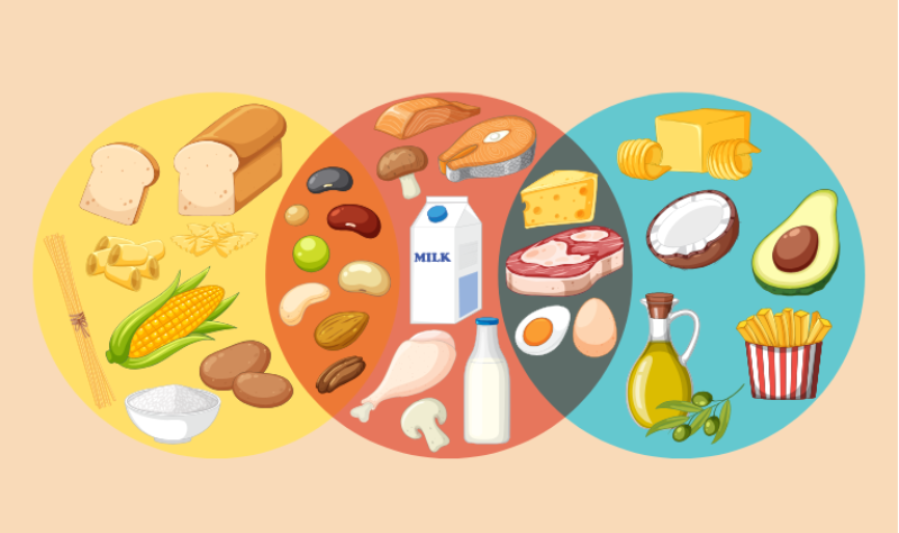
Carbohydrates are the body’s main source of energy during workouts, especially for high-intensity and endurance activities.
Supporting Performance
Adequate carbohydrate intake helps maintain stamina, improves workout performance, and delays fatigue by replenishing glycogen stores.
Proteins: Muscle Repair and Growth
Muscle Recovery
Protein is essential for repairing muscle fibers that break down during exercise, helping reduce soreness and speed up recovery.
Building Lean Muscle
Consistent protein intake supports muscle growth and strength development, making it crucial for resistance and strength training.
Fats: Hormone Balance and Long-Term Energy
Supporting Hormonal Health
Healthy fats play an important role in hormone production, including hormones that regulate metabolism and muscle growth.
Sustained Energy Source
Fats provide long-lasting energy, particularly useful for low- to moderate-intensity activities and overall endurance.
Micronutrients for Optimal Performance
Importance of Vitamins and Minerals
Supporting Body Functions
Vitamins and minerals are essential for energy production, muscle function, bone health, and immune support, all of which directly impact fitness performance.
Preventing Deficiencies
Adequate micronutrient intake helps prevent fatigue, weakness, and increased injury risk that can result from nutrient deficiencies.
Key Micronutrients for Fitness
Iron
Iron is crucial for oxygen transport in the blood. Low iron levels can lead to fatigue and reduced endurance, especially in active individuals.
Calcium
Calcium supports strong bones and proper muscle contractions, helping reduce the risk of fractures and injuries.
Magnesium
Magnesium plays a role in muscle relaxation, nerve function, and energy metabolism, helping prevent cramps and muscle fatigue.
Vitamin D
Vitamin D supports bone health, muscle strength, and immune function, and it also aids in calcium absorption.
Role of Fruits and Vegetables
Natural Sources of Micronutrients
Fruits and vegetables provide a wide range of essential vitamins, minerals, and antioxidants needed for optimal performance.
Supporting Recovery and Immunity
The antioxidants found in fruits and vegetables help reduce inflammation, support recovery, and strengthen the immune system.
Nutrition Tips Before a Workout
Best Foods to Eat Before Exercise
Focus on Carbohydrates for Energy
Carbohydrates provide quick and efficient energy for workouts. Good options include whole grains, fruits, oats, rice, and sweet potatoes.
Include Moderate Protein
Adding a small amount of protein helps support muscle function without slowing digestion. Examples include yogurt, eggs, lean meat, or protein smoothies.
Timing of Pre-Workout Meals
Eating 2–3 Hours Before Training
A balanced meal containing carbohydrates, protein, and healthy fats works best when eaten a few hours before exercise.
Nutrition Tips After a Workout
Importance of Post-Workout Nutrition
Replenishing Energy Stores
After exercise, the body needs nutrients to restore depleted glycogen levels and support overall recovery.
Supporting Muscle Repair
Post-workout nutrition helps repair muscle tissue broken down during training, reducing soreness and improving recovery time.
Protein and Carbohydrate Combinations
Why Protein Matters
Protein provides amino acids essential for muscle repair and growth. Consuming protein after a workout supports faster recovery.
Role of Carbohydrates
Carbohydrates help replenish energy stores and improve protein absorption, making them a key part of post-workout meals.
Balanced Meal Examples
Combining protein and carbs—such as grilled chicken with rice, Greek yogurt with fruit, or a protein smoothie with oats—enhances recovery.
Recovery and Muscle Repair
Reducing Muscle Soreness
Proper post-workout nutrition helps reduce muscle soreness and stiffness by supporting muscle repair processes.
Preparing for the Next Workout
Consistent recovery nutrition ensures the body is ready for future training sessions, improving long-term performance and results.
Hydration and Fitness
Why Hydration Is Essential
Supporting Physical Performance
Proper hydration helps regulate body temperature, maintain blood volume, and transport nutrients, all of which are crucial for optimal exercise performance.
Preventing Fatigue and Injury
Even mild dehydration can lead to fatigue, reduced endurance, muscle cramps, and a higher risk of injury during workouts.
How Much Water to Drink
Daily Hydration Needs
While individual needs vary, a general guideline is to drink enough water so that urine remains light yellow throughout the day.
Hydration Before, During, and After Exercise
Drinking water before workouts prepares the body for activity, sipping during exercise maintains performance, and rehydrating afterward supports recovery.
ou may also like to read these posts:
Luxury Living Lifestyle Secrets for a Premium Way of Life
How AI Is Shaping the Future in 2026: Key Headlines You Should Know
Latest Job Openings and Career Opportunities Today
How to Hire Talent: A Step-by-Step Guide for Employers
Top Employee Workplace Trends Shaping the Future of Work
Beginner Workout Plans: A Complete Guide to Start Your Fitness Journey
Electrolytes and Intense Workouts
What Are Electrolytes?
Electrolytes such as sodium, potassium, and magnesium help regulate muscle contractions, nerve function, and fluid balance.
When Electrolytes Are Needed
For long-duration or high-intensity workouts, especially in hot conditions, electrolyte-rich drinks help replace minerals lost through sweat and prevent dehydration.
Faqs:
How important is nutrition for fitness?
Nutrition is essential for fitness because it provides the energy, protein, and nutrients your body needs to perform, recover, and build muscle effectively.
What should I eat before a workout?
Eat a combination of carbohydrates and protein 30–60 minutes before exercising. Examples include a banana with peanut butter, yogurt with fruits, or a small oatmeal bowl.
How much protein do I need for muscle building?
A general guideline is 1.2–2 grams of protein per kilogram of body weight daily, depending on your activity level and fitness goals.
Can I rely on supplements instead of whole foods?
Supplements can help, but whole foods should be your primary source of nutrients. Supplements are best used to fill gaps in your diet, not replace meals.
How can I stay hydrated during workouts?
Drink water throughout the day and sip fluids during exercise. For long or intense workouts, consider drinks with electrolytes to maintain balance.
Conclusion
Good nutrition is the foundation of any successful fitness journey. By eating balanced meals, staying properly hydrated, and choosing whole, nutrient-rich foods, you can fuel your workouts, enhance recovery, and achieve your fitness goals faster. Remember, consistency is key—small, healthy choices every day add up to big results. Start prioritizing your nutrition today and see the difference it makes in your energy, strength, and overall performance.