
Introduction
A healthy lifestyle is about making consistent choices that support your physical, mental, and emotional wellbeing. It doesn’t require perfection or drastic changes—instead, it’s built through small, positive habits practiced daily. These habits, when repeated over time, create lasting improvements in health, energy, and overall quality of life.
Small daily actions—such as staying active, eating nourishing foods, managing stress, and prioritizing rest—may seem simple, but their long-term impact is powerful. Consistency turns these small efforts into sustainable routines that support lifelong wellness.
In this blog, you’ll learn what defines a healthy lifestyle, why daily habits are essential, and how to build practical routines that improve fitness, nutrition, mental health, and recovery—helping you create a balanced and healthier life.
healthy lifestyle tips

Nutrition is the foundation of a healthy lifestyle. What you eat fuels your body, supports mental clarity, and protects long-term health. Developing mindful eating habits and choosing nutrient-rich foods are key steps toward overall wellbeing.
2.1 Eat a Balanced Diet
Key Components:
- Fruits and Vegetables: Provide essential vitamins, minerals, and fiber
- Whole Grains: Sustain energy and support digestion (e.g., oats, brown rice, quinoa)
- Lean Proteins: Aid muscle repair and promote satiety (e.g., chicken, fish, legumes)
- Healthy Fats: Support brain function and heart health (e.g., nuts, seeds, avocado)
Tips:
- Practice portion control to avoid overeating
- Include a variety of colors on your plate to cover nutrient needs
2.2 Avoid Unhealthy Foods
Focus on Limiting:
- Highly processed foods and snacks
- Sugary drinks, sodas, and excessive sweets
Tips:
- Read nutrition labels for hidden sugars, sodium, and unhealthy fats
- Replace sugary beverages with water, herbal tea, or infused water
2.3 Mindful Eating Habits
What It Means:
- Eat slowly and pay attention to hunger and fullness cues
- Avoid eating out of boredom, stress, or emotional triggers
Benefits:
- Helps prevent overeating and digestive discomfort
- Encourages a healthier relationship with food
- Promotes better energy levels and long-term weight management
Physical Activity and Fitness
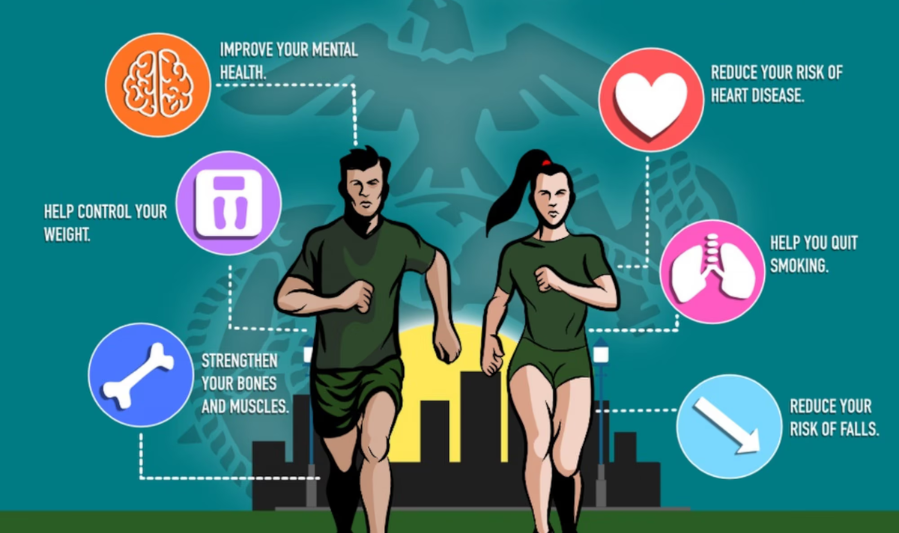
Regular physical activity is a cornerstone of a healthy lifestyle. Combining different types of movement—cardio, strength, and flexibility—not only improves physical fitness but also enhances mental and emotional wellbeing.
3.1 Daily Exercise Routine
Key Components:
- Cardio: Walking, jogging, cycling, swimming, or jump rope to strengthen the heart and burn calories
- Strength Training: Bodyweight exercises, resistance bands, or weights to build muscle and support metabolism
- Flexibility: Stretching, yoga, or mobility exercises to improve range of motion and prevent injury
Beginner-Friendly Ideas:
- 10–15 minutes of brisk walking or light jogging
- Bodyweight circuit: squats, push-ups, lunges, planks
- Morning or evening stretching routine
3.2 Staying Active Throughout the Day
Simple Ways to Move More:
- Take short walking breaks every hour
- Use stairs instead of elevators
- Stretch at your desk or do light mobility exercises
- Incorporate household chores as active movement
Tip: Even small bouts of activity accumulate to improve overall fitness.
3.3 Benefits of Regular Physical Activity
- Improved Energy: Increases stamina and reduces fatigue
- Heart Health: Strengthens the cardiovascular system and lowers disease risk
- Mental Wellbeing: Reduces stress, anxiety, and improves mood and focus
Key Takeaway: Consistency matters more than intensity—regular movement, even in small amounts, builds a healthier body and mind over time.
Hydration and Its Importance
Staying properly hydrated is essential for overall health. Water supports nearly every function in the body, from digestion and circulation to energy production and cognitive performance. Developing good hydration habits is a simple yet powerful way to enhance your daily wellbeing.
Daily Water Intake Recommendations
- General guideline: Aim for about 8 glasses (2 liters) of water per day, though needs vary depending on age, activity level, and climate.
- Tips to stay consistent: Carry a reusable water bottle, set reminders, or drink a glass of water with each meal.
- Start your day right: Drinking water first thing in the morning helps rehydrate your body after sleep and jumpstarts metabolism.
Signs of Dehydration
Watch for these indicators that your body needs more fluids:
- Dark-colored urine or infrequent urination
- Fatigue or low energy
- Dry mouth, lips, or skin
- Headaches or dizziness
Tip: Even mild dehydration can affect mood, focus, and physical performance.
Hydrating Foods and Drinks
In addition to water, include:
- Fruits: Watermelon, oranges, berries, grapes
- Vegetables: Cucumbers, celery, lettuce, zucchini
- Beverages: Herbal teas, coconut water, milk, or infused water
Tip: Limit excessive caffeinated or sugary drinks, which can have a dehydrating effect.
Sleep and Rest
Quality sleep is a cornerstone of a healthy lifestyle. It allows the body to repair, the mind to reset, and supports overall physical and mental performance. Prioritizing rest helps you stay energized, focused, and resilient.
Importance of Quality Sleep
- Adults generally need 7–9 hours of sleep per night for optimal health
- Sleep supports muscle recovery, immune function, and hormone balance
- Regular, restorative sleep enhances mental clarity, mood, and stress management
Tips for Better Sleep Hygiene
- Maintain a consistent schedule: Go to bed and wake up at the same time daily
- Create a calming bedtime routine: Read, stretch, meditate, or practice deep breathing
- Limit screens before bed: Avoid phones, TVs, and laptops 30–60 minutes before sleep
- Optimize your sleep environment: Keep the bedroom cool, dark, and quiet
- Watch food and drink intake: Avoid caffeine and heavy meals in the evening
How Sleep Affects Health and Productivity
- Mental performance: Improves memory, focus, and decision-making
- Physical health: Supports heart health, muscle repair, and metabolic function
- Mood and wellbeing: Reduces irritability, stress, and risk of burnout
- Daily productivity: Increases energy, motivation, and efficiency in tasks
Key Takeaway: Prioritizing quality sleep is not optional—it’s essential for long-term health, performance, and emotional balance.
You may also like to read these posts:
Luxury Living Lifestyle Secrets for a Premium Way of Life
How AI Is Shaping the Future in 2026: Key Headlines You Should Know
Latest Job Openings and Career Opportunities Today
How to Hire Talent: A Step-by-Step Guide for Employers
Top Employee Workplace Trends Shaping the Future of Work
Beginner Workout Plans: A Complete Guide to Start Your Fitness Journey
Mental Health and Emotional Wellbeing
Maintaining mental and emotional health is just as important as physical fitness. Developing healthy coping strategies, practicing mindfulness, and balancing daily responsibilities help reduce stress and improve overall quality of life.
Stress Management Techniques
- Identify stress triggers: Recognize situations or habits that increase stress
- Plan and prioritize: Break tasks into manageable steps to prevent overwhelm
- Engage in hobbies: Creative activities, sports, or reading help relieve tension
- Social support: Spend time with friends, family, or supportive communities
Tip: Even small daily stress-relief practices can significantly improve mood and resilience.
Meditation, Mindfulness, and Relaxation
- Meditation: Short daily sessions (3–10 minutes) can calm the mind and improve focus
- Mindfulness: Paying attention to the present moment reduces anxiety and promotes awareness
- Relaxation techniques: Deep breathing, progressive muscle relaxation, or guided imagery lowers stress and improves emotional regulation
Tip: Consistency is key—regular practice compounds benefits over time.
Maintaining Work-Life Balance
- Set clear boundaries between work and personal time
- Schedule regular breaks during the day to recharge
- Prioritize sleep, exercise, and social activities alongside responsibilities
Benefits:
- Reduces burnout and fatigue
- Enhances productivity and focus
- Improves overall life satisfaction and emotional wellbeing
Faqs:
What does a healthy lifestyle include?
A healthy lifestyle includes balanced nutrition, regular physical activity, adequate sleep, stress management, hydration, and avoiding harmful habits like smoking or excessive alcohol.
How can I start living a healthier life?
Start small by incorporating one or two healthy habits at a time, like drinking more water, eating more vegetables, or walking daily. Gradually build on these habits for long-term results.
How important is exercise for a healthy lifestyle?
Exercise is essential. It strengthens muscles, improves cardiovascular health, boosts mood, and helps maintain a healthy weight. Even 30 minutes of daily movement can make a big difference.
Can healthy lifestyle tips fit into a busy schedule?
Yes! Simple habits like taking the stairs, doing short home workouts, drinking water regularly, and practicing mindfulness can be integrated easily into a busy lifestyle.
How long does it take to see results from healthy lifestyle changes?
Many people notice improvements in energy, mood, and sleep within a few weeks. Long-term benefits like weight management and reduced disease risk develop over months of consistent healthy habits.
Conclusion
Adopting healthy lifestyle tips doesn’t require drastic changes—small, consistent habits make a big difference over time. By focusing on balanced nutrition, regular physical activity, proper hydration, quality sleep, and stress management, you can improve your energy, mood, and overall wellbeing.
Start with simple steps, stay consistent, and gradually build on your healthy habits. Over time, these positive choices will lead to a happier, healthier, and more balanced life.