
Introduction
Wellness is more than the absence of illness—it’s a holistic approach to maintaining physical, mental, and emotional health. For adults, prioritizing wellness is essential for sustaining energy, managing stress, and preventing long-term health issues.
Adopting simple, consistent daily wellness habits—ranging from proper nutrition and regular exercise to mindfulness and quality sleep—can have a profound impact on overall wellbeing. Over time, these small actions compound, improving strength, mood, focus, and resilience.
In this blog, you’ll discover practical wellness habits designed for busy adults, along with tips and strategies to seamlessly incorporate them into daily life. By following these guidelines, you’ll gain actionable tools to support long-term health, vitality, and balance.
Physical Wellness

Maintaining physical wellness is essential for long-term health, vitality, and quality of life. It involves regular movement, proper nutrition, and mindful care of the body.
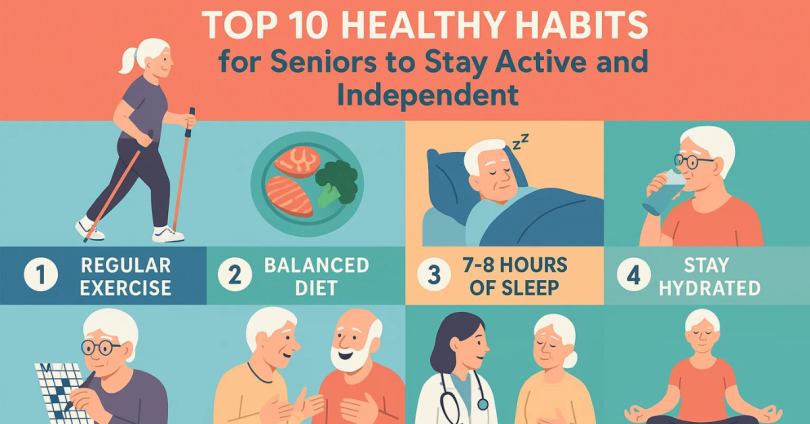
2.1 Regular Exercise
Benefits:
- Improves heart health and circulation
- Boosts energy and stamina
- Supports weight management
- Reduces stress and improves mood
Types of Exercise:
- Cardio: Walking, running, cycling, swimming
- Strength Training: Bodyweight exercises, resistance bands, weights
- Flexibility: Stretching, yoga, mobility exercises
- Low-Impact Workouts: Pilates, swimming, or brisk walking for joint-friendly options
Tips for Fitting Exercise Into a Busy Schedule:
- Break workouts into short sessions (10–15 minutes) throughout the day
- Schedule exercise like an appointment to ensure consistency
- Combine movement with daily tasks, like taking stairs or walking during phone calls
2.2 Healthy Eating

Importance: Proper nutrition fuels the body, supports immunity, and maintains overall wellness.
Foods to Include:
- Fruits and Vegetables: Provide essential vitamins, minerals, and fiber
- Whole Grains: Oats, brown rice, quinoa for sustained energy
- Lean Proteins: Chicken, fish, legumes, tofu for muscle maintenance
- Healthy Fats: Nuts, seeds, olive oil, avocado for heart and brain health
Foods to Limit:
- Processed and fast foods
- Sugary drinks and snacks
- High-sodium items
Portion Control and Mindful Eating Techniques:
- Listen to hunger and fullness cues
- Eat slowly and avoid distractions while eating
- Use smaller plates or bowls to manage portions
Tip: Balanced nutrition and regular physical activity work hand-in-hand to optimize energy, weight management, and overall wellness.
Hydration
Proper hydration is a fundamental part of physical wellness. Water supports nearly every bodily function, including digestion, circulation, temperature regulation, and cognitive performance. Making hydration a daily habit helps maintain energy, focus, and overall health.
Daily Water Intake Recommendations
- Aim for about 8 glasses (2 liters) of water per day, though needs vary based on activity level, climate, and individual factors
- Spread water intake throughout the day rather than drinking large amounts at once
- Start your day with a glass of water to rehydrate after sleep
Benefits of Staying Hydrated
- Improved Digestion: Supports nutrient absorption and regular bowel movements
- Healthy Skin: Maintains elasticity and hydration, reducing dryness and fatigue
- Higher Energy Levels: Prevents fatigue caused by mild dehydration
- Mental Clarity: Enhances focus, memory, and mood
Hydrating Foods and Beverages
- Fruits: Watermelon, oranges, berries, grapes
- Vegetables: Cucumbers, celery, lettuce, zucchini
- Beverages: Herbal teas, coconut water, milk, infused water
Tip: Limit excessive caffeinated or sugary drinks, as they can have a dehydrating effect.
Mental and Emotional Wellness
Caring for your mental and emotional health is just as important as physical wellness. Daily practices that reduce stress, cultivate positivity, and build resilience can improve mood, focus, and overall quality of life.
4.1 Stress Management
Mindfulness, Meditation, and Breathing Exercises:
- Practice short sessions of meditation or deep breathing to calm the mind
- Mindfulness techniques help you stay present and reduce anxiety
- Even 5–10 minutes in the morning or during breaks can make a difference
Journaling and Gratitude Practices:
- Write down thoughts, feelings, or challenges to process emotions
- List 2–3 things you are grateful for each day to cultivate positivity
- Journaling can enhance self-awareness and reduce stress levels
4.2 Positive Mindset
Affirmations and Self-Reflection:
- Use positive statements to encourage self-confidence and motivation
- Reflect on achievements, lessons, and growth to maintain perspective
Techniques for Mental Resilience:
- Reframe negative thoughts into constructive solutions
- Practice patience and self-compassion during challenging situations
- Set realistic daily goals to build confidence and a sense of accomplishment
Tip: Consistent daily mental wellness practices strengthen emotional stability, reduce stress, and improve your ability to handle life’s challenges.
Sleep and Rest
Quality sleep is a cornerstone of wellness, allowing the body and mind to recover, recharge, and function optimally. Adults need sufficient, consistent sleep to maintain physical health, emotional balance, and cognitive performance.
Recommended Sleep Duration
- Adults generally need 7–9 hours of sleep per night
- Consistency matters: going to bed and waking up at the same time daily helps regulate your body’s internal clock
Sleep Hygiene Tips
- Consistent Bedtime: Maintain a regular sleep schedule, even on weekends
- Screen-Free Wind-Down: Avoid phones, computers, and TVs 30–60 minutes before bed
- Relaxing Routine: Read, stretch, or practice meditation to signal your body it’s time to sleep
- Sleep Environment: Keep the bedroom dark, cool, and quiet
- Limit Stimulants: Reduce caffeine, nicotine, and heavy meals close to bedtime
Role of Sleep in Health
- Immunity: Sleep strengthens the immune system, reducing the risk of illness
- Mood and Emotional Balance: Adequate rest reduces irritability, anxiety, and stress
- Cognitive Function: Supports memory consolidation, focus, decision-making, and problem-solving
Key Takeaway: Prioritizing sleep is essential—well-rested adults experience better physical health, emotional stability, and mental clarity.
Avoiding Unhealthy Habits
Maintaining wellness isn’t just about building positive habits—it’s also about recognizing and minimizing behaviors that can harm your health. Reducing or replacing unhealthy habits supports long-term physical, mental, and emotional wellbeing.
Limiting Alcohol and Caffeine
- Alcohol: Excessive drinking can affect liver health, sleep quality, and mental clarity
- Caffeine: Moderate intake can boost alertness, but overconsumption may lead to anxiety, insomnia, or digestive issues
- Tip: Replace high-alcohol or high-caffeine beverages with water, herbal tea, or natural fruit-infused drinks
Avoiding Smoking and Processed Snacks
- Smoking: Increases risk of cardiovascular disease, lung issues, and reduces overall energy
- Processed Snacks: High in sugar, salt, and unhealthy fats; can contribute to weight gain and poor nutrition
- Tip: Swap processed snacks for fruits, nuts, yogurt, or homemade alternatives
Replacing Harmful Habits with Wellness-Focused Activities
- Take a short walk or do a stretching routine instead of reaching for a sugary snack
- Practice deep breathing or meditation during moments of stress rather than smoking or overeating
- Engage in hobbies, social activities, or journaling to redirect time and energy toward positive behaviors
Key Takeaway: Gradually reducing unhealthy habits and replacing them with wellness-focused activities strengthens physical health, mental clarity, and overall life satisfaction.
You may also like to read these posts:
Luxury Living Lifestyle Secrets for a Premium Way of Life
How AI Is Shaping the Future in 2026: Key Headlines You Should Know
Latest Job Openings and Career Opportunities Today
How to Hire Talent: A Step-by-Step Guide for Employers
Top Employee Workplace Trends Shaping the Future of Work
Beginner Workout Plans: A Complete Guide to Start Your Fitness Journey
Social and Relationship Wellness
Wellness isn’t just about individual health—it also includes nurturing meaningful connections. Positive relationships with family, friends, and your community play a vital role in mental, emotional, and even physical wellbeing.
Importance of Social Connections
- Humans are inherently social beings; regular interaction helps reduce feelings of loneliness and isolation
- Strong relationships foster a sense of belonging, purpose, and support during challenging times
Benefits of Social Support
- Mental Health: Reduces stress, anxiety, and depression
- Emotional Health: Increases happiness, self-esteem, and resilience
- Physical Health: Strong social ties have been linked to improved immunity and longevity
Ways to Strengthen Relationships in a Busy Lifestyle
- Schedule regular check-ins with family or friends via calls, video chats, or meetups
- Participate in community groups, clubs, or volunteer opportunities
- Practice active listening and express appreciation or gratitude to loved ones
- Combine socializing with healthy activities, like walking with a friend or attending a fitness class together
Tip: Even small, consistent efforts to connect and nurture relationships can significantly enhance your wellbeing.
Faqs:
What are wellness habits for adults?
Wellness habits for adults are daily practices that promote physical, mental, and emotional health, such as exercising, eating nutritious foods, staying hydrated, managing stress, and getting quality sleep.
How can adults start adopting wellness habits?
Start small by adding one or two habits at a time, like drinking more water, taking short walks, or practicing mindfulness. Gradually build on these habits to create a consistent routine.
Why is mental health important in adult wellness?
Mental health affects mood, energy, decision-making, and overall wellbeing. Incorporating mindfulness, meditation, and stress management techniques supports emotional resilience and a balanced lifestyle.
How much exercise do adults need for wellness?
Adults should aim for at least 150 minutes of moderate-intensity exercise per week, including a mix of cardio, strength, and flexibility exercises. Even short daily activities improve health over time.
Can wellness habits reduce the risk of chronic diseases?
Yes. Consistent wellness habits such as eating a balanced diet, exercising regularly, staying hydrated, sleeping well, and managing stress help prevent chronic conditions like heart disease, diabetes, and obesity.
Conclusion
Incorporating consistent wellness habits for adults is key to improving physical, mental, and emotional health. Simple daily practices such as exercising, eating nutritious foods, staying hydrated, managing stress, getting quality sleep, and maintaining social connections can lead to a healthier and more balanced life.
Start small, stay consistent, and gradually build these habits into your routine. Over time, these positive changes will enhance your energy, resilience, and overall wellbeing, helping you live a happier and healthier life.