
Introduction
The concept of home gyms has grown rapidly in recent years, with more people looking for ways to stay fit without leaving their houses. Whether due to busy schedules, convenience, or the desire to save money on gym memberships, home workouts have become a popular and practical option.
Benefits of Working Out at Home:
- Convenience: No commuting or waiting for equipment—work out whenever it fits your schedule.
- Time-Saving: Maximize efficiency by eliminating travel and long lines at the gym.
- Cost-Effective: Build a personalized fitness space without recurring gym fees.
Purpose of This Blog:
This guide aims to help readers choose the best home gym equipment by providing detailed reviews, highlighting pros and cons, and offering practical tips. Whether you’re a beginner or looking to upgrade your current setup, this blog will help you make informed decisions and create a home workout space that suits your needs.
Essential Home Gym Equipment
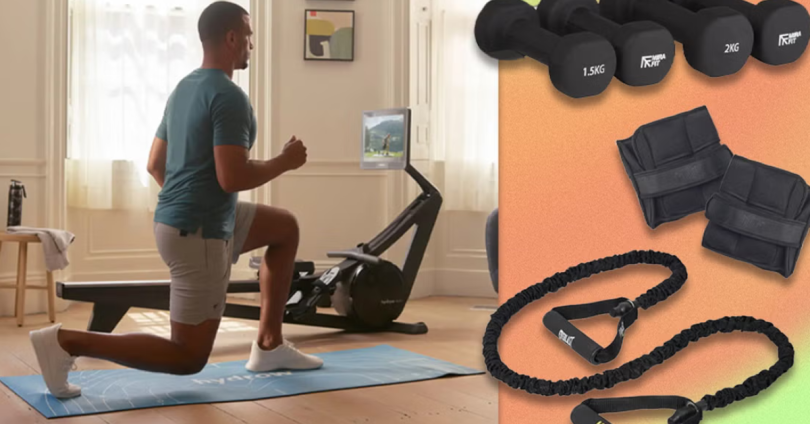
Creating an effective home gym doesn’t have to be complicated. With the right equipment, you can perform a variety of workouts—from strength training to cardio—without leaving your house. Below are some must-have tools, along with tips, reviews, and pros & cons for each.
2.1 Dumbbells and Adjustable Dumbbell Sets
Benefits:
- Strength training for multiple muscle groups
- Versatility for exercises like curls, presses, lunges, and rows
Types:
- Fixed Dumbbells: Simple, durable, and great for dedicated weight ranges
- Adjustable Dumbbells: Save space and money; change weights quickly
- Selectorized Dumbbells: Advanced adjustable systems with easy weight selection
Popular Models & Reviews:
- Bowflex SelectTech Adjustable Dumbbells
- PowerBlock Elite Dumbbells
- AmazonBasics Fixed Dumbbell Set
Pros & Cons:
- Pros: Versatile, space-saving (adjustable), durable
- Cons: Higher upfront cost for adjustable sets, can be bulky
2.2 Resistance Bands
Benefits:
- Full-body workouts, including strength, mobility, and stretching
- Useful for rehabilitation exercises
Types:
- Loop Bands: Ideal for lower body exercises and glute activation
- Tube Bands: Often come with handles for upper body strength work
- Therapy Bands: Light resistance for rehab and stretching
Popular Sets & Reviews:
- Fit Simplify Resistance Loop Bands
- Tribe Tube Resistance Bands Set
- TheraBand Professional Therapy Bands
Pros & Cons:
- Pros: Lightweight, portable, affordable, versatile
- Cons: Can snap if overstretched, limited max resistance for advanced strength
2.3 Home Cardio Machines
Types:
- Treadmill: Classic choice for running/walking indoors
- Stationary Bike: Low-impact, great for cardio endurance
- Rowing Machine: Full-body workout, combines strength and cardio
- Elliptical: Low-impact cardio, mimics running motion
Features to Look For:
- Size and footprint for your space
- Adjustable resistance levels
- Console options: heart rate tracking, programs, entertainment
Popular Models & Reviews:
- NordicTrack Treadmills
- Peloton Bike
- Concept2 Rowing Machine
- ProForm Elliptical
Pros & Cons:
- Pros: Effective for cardio, convenient, customizable intensity
- Cons: Can be expensive, takes up space, may require maintenance
2.4 Weight Benches
Benefits:
- Supports a wide range of strength training exercises
- Can complement dumbbells, barbells, and resistance bands
Types:
- Flat Bench: Basic and versatile
- Adjustable Bench: Allows incline, decline, and flat positions
- Incline/Decline Bench: Specialized for targeting different muscle angles
Popular Models & Reviews:
- Bowflex 5.1S Adjustable Bench
- Fitness Reality 1000 Super Max Bench
- Marcy Flat/Adjustable Weight Bench
Pros & Cons:
- Pros: Supports strength training, adjustable options increase versatility
- Cons: Takes up space, some benches have limited weight capacity
2.5 Multi-Gyms / Home Gym Stations
Benefits:
- All-in-one solution for strength and functional training
- Combines multiple exercises in one compact system
Features:
- Pulley systems for upper and lower body exercises
- Weight stacks for adjustable resistance
- Compact designs suitable for home use
Popular Models Reviewed:
- Bowflex PR1000 Home Gym
- Total Gym XLS
- Marcy Smith Cage Workout Machine
Pros & Cons:
- Pros: Space-efficient, versatile, suitable for full-body training
- Cons: Higher cost, larger footprint than single pieces, setup required
Accessories and Extras

While core home gym equipment covers strength and cardio, accessories and extras enhance workouts, improve comfort, and expand exercise options. These smaller items can make a big difference in effectiveness and safety.
3.1 Yoga Mats
Benefits:
- Provide cushioning and stability for floor exercises
- Essential for stretching, yoga, Pilates, and core workouts
- Protect joints during high-impact or floor-based movements
Recommended Thickness & Material:
- Thickness: ¼ inch to ½ inch for general use; thicker mats (¾ inch) for extra cushioning
- Material: TPE or natural rubber for durability and grip; PVC mats are budget-friendly but less eco-friendly
Popular Products:
- Manduka PRO Yoga Mat
- Liforme Yoga Mat
- Gaiam Essentials Thick Yoga Mat
3.2 Stability Balls and Medicine Balls
Benefits:
- Stability Balls: Improve core strength, balance, and flexibility
- Medicine Balls: Add resistance for functional strength exercises, throws, and partner workouts
Popular Models & Sizes:
- Stability Balls:
- TheraBand Stability Ball (sizes 55–75 cm based on user height)
- URBNFit Exercise Ball
- Medicine Balls:
- Amazon Basics Medicine Ball (4–20 lbs)
- Dynamax Slam Ball
Tips:
- Choose the stability ball size based on your height for proper posture and effectiveness
- Select a medicine ball weight that challenges your muscles but allows controlled movements
How to Choose the Right Home Gym Equipment
Selecting the right equipment for your home gym can feel overwhelming, but focusing on a few key factors will make the process easier and ensure you get the most out of your investment.
1. Assess Your Space and Layout
Why It Matters: Knowing how much room you have will help you choose equipment that fits comfortably without cluttering your workout area.
Tips:
- Measure floor space and ceiling height
- Consider storage options for smaller equipment like dumbbells, mats, and resistance bands
- Leave enough room for dynamic movements and stretching
2. Determine Your Fitness Goals
Why It Matters: Your goals dictate the type of equipment you need.
Examples:
- Strength Training: Dumbbells, adjustable weight sets, resistance bands, weight benches, multi-gyms
- Cardio: Treadmill, stationary bike, rowing machine, jump rope
- Flexibility & Core: Yoga mats, stability balls, medicine balls
- Endurance & HIIT: Resistance bands, jump ropes, kettlebells, timers
3. Budget Considerations
Why It Matters: Home gym equipment ranges from affordable accessories to high-end machines.
Tips:
- Prioritize essential items that align with your main goals
- Consider optional items as you progress and expand your workouts
- Balance cost and quality; cheaper gear may save money upfront but wear out faster
4. Look for Versatility
Why It Matters: Multipurpose equipment maximizes your workouts without taking up extra space.
Examples:
- Adjustable dumbbells for multiple weight ranges
- Resistance bands for strength, mobility, and rehab
- Stability balls for core, balance, and stretching exercises
5. Consider Quality and Durability
Why It Matters: Investing in well-made equipment ensures safety and long-term use.
Tips:
- Choose reputable brands with good reviews
- Check weight capacities and material quality
Maintenance and Safety Tips
Keeping your home gym clean, organized, and safe ensures your workouts remain effective and injury-free. Regular care also extends the life of your equipment.
1. Regular Cleaning and Inspection
Why It Matters: Sweat, dust, and dirt can damage equipment and create hygiene issues.
Tips:
- Wipe down mats, dumbbells, and machines after each use with a disinfectant or gentle cleaner
- Check cables, pulleys, and adjustable parts for wear or fraying
- Inspect stability balls, resistance bands, and yoga mats for cracks or tears
2. Proper Storage to Avoid Damage
Why It Matters: Storing equipment incorrectly can lead to accidents or reduce its lifespan.
Tips:
- Keep dumbbells, kettlebells, and medicine balls on racks or shelves
- Store resistance bands in a cool, dry place away from direct sunlight to prevent snapping
- Hang jump ropes or keep yoga mats rolled up to avoid deformation
3. Safety Tips for Heavy Equipment and Machines
Why It Matters: Improper use of heavy equipment can cause serious injuries.
Tips:
- Always use weight benches, multi-gyms, and machines on flat, stable surfaces
- Follow manufacturer guidelines for weight limits and adjustments
- Start with lighter weights or resistance and progress gradually
- Use spotters or safety features when lifting heavy weights or performing exercises like squats and bench presses
You ma also like to read these posts:
Luxury Living Lifestyle Secrets for a Premium Way of Life
How AI Is Shaping the Future in 2026: Key Headlines You Should Know
Latest Job Openings and Career Opportunities Today
How to Hire Talent: A Step-by-Step Guide for Employers
Top Employee Workplace Trends Shaping the Future of Work
Beginner Workout Plans: A Complete Guide to Start Your Fitness Journey
Beginner-Friendly Home Gym Setup Ideas
Starting a home gym can feel overwhelming, but it doesn’t have to be expensive or take up a lot of space. These ideas help beginners create an effective setup that fits their needs and grows with their fitness journey.
1. Compact Setups for Small Spaces
Tips:
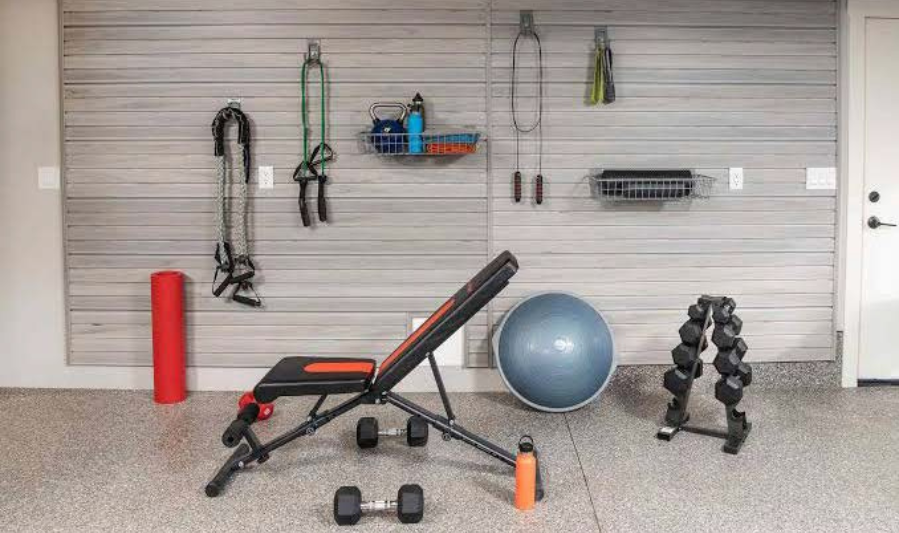
- Prioritize multipurpose equipment like adjustable dumbbells, resistance bands, and a foldable bench
- Use wall hooks or shelves to store bands, mats, and small accessories
- Consider collapsible cardio machines (treadmills, bikes) if space is limited
Example Setup:
- Adjustable dumbbells (5–50 lbs)
- Resistance band set
- Yoga mat and small stability ball
- Optional: jump rope or compact treadmill
2. Starter Kits with Essential Equipment
Benefits: Starter kits are convenient, cost-effective, and include everything beginners need to get started.
Typical Contents:
- Dumbbells or adjustable weights
- Resistance bands
- Yoga mat
- Stability ball or medicine ball
- Optional: kettlebell or jump rope
Why It Works: These kits cover strength, flexibility, and cardio basics without overwhelming a beginner.
3. Tips for Gradually Upgrading Your Home Gym
Start Small: Focus on essentials first, then add more equipment as your goals and skills progress.
Add Versatile Items: Equipment like multi-gyms, rowing machines, or adjustable benches can expand exercise options without requiring extra gear.
Consider Your Goals:
- Strength-focused: increase dumbbell ranges, add bench or multi-gym
- Cardio-focused: invest in a treadmill, bike, or rowing machine
- Functional fitness: incorporate kettlebells, medicine balls, resistance bands
Space & Budget Awareness: Upgrade gradually to avoid overcrowding your home gym or overspending on equipment you don’t use regularly.
Advanced / Specialized Equipment (Optional)
Once you’ve built a basic home gym and are comfortable with foundational workouts, you may want to explore advanced or specialized equipment. These items are optional but can take your training to the next level, particularly for strength athletes, functional training enthusiasts, or tech-savvy fitness lovers.
1. Advanced Weight Machines and Cable Systems
Benefits:
- Target specific muscle groups with controlled movements
- Enable a wide range of exercises in one compact setup
- Offer adjustable resistance and safety features for heavy lifting
Examples:
- Bowflex Xtreme 2 SE Home Gym
- Marcy Smith Cage Workout Machine
- Multi-station cable systems
Who It’s For: Strength enthusiasts or those wanting a full-body machine without multiple free weights.
2. High-Tech Cardio Machines
Benefits:
- Interactive programs and virtual coaching for motivation
- Track heart rate, calories burned, distance, and speed
- Provide structured training plans for progressive improvement
Examples:
- Peloton Bike or Tread
- NordicTrack Commercial Treadmill with interactive screen
- Concept2 Rowing Machine with performance monitor
Who It’s For: Cardio-focused athletes or anyone who enjoys gamified workouts and real-time feedback.
3. Specialized Gear for Strength and Functional Training
Benefits:
- Supports advanced training techniques like Olympic lifts, explosive movements, or HIIT
- Allows more variety and intensity in workouts
Examples:
- Olympic barbells and bumper plates
- Resistance sleds or parachutes
- Adjustable plyometric boxes and medicine balls
Who It’s For: Experienced lifters, functional fitness enthusiasts, or athletes training for performance-specific goals.
Tip: Advanced and specialized equipment is optional for most beginners. Start with essential and versatile tools, and gradually invest in these high-tech or performance-focused items once your goals and skills demand it.
Faqs:
What is the most essential home gym equipment for beginners?
For beginners, start with versatile and space-saving items like dumbbells or adjustable weights, resistance bands, and a yoga mat. These cover strength, flexibility, and core exercises without overwhelming your space or budget.
Do I need expensive machines for a home gym?
Not necessarily! Many affordable options, like resistance bands, adjustable dumbbells, and bodyweight training equipment, provide effective workouts. Focus on versatility and quality rather than price.
How do I choose the right cardio machine for home use?
Consider your space, budget, and workout goals. Treadmills are great for running, stationary bikes are low-impact, and rowers or ellipticals offer full-body cardio. Look for durability, features, and noise levels.
How much space do I need for a home gym?
You can start with as little as 50–100 square feet for a compact setup with dumbbells, resistance bands, and a mat. Larger setups with machines require more space, so measure your area before purchasing.
How do I maintain and care for home gym equipment?
Regularly clean surfaces, check for wear and tear, tighten screws on machines, and store accessories properly. This ensures safety, extends the equipment’s lifespan, and keeps workouts effective.
Conclusion
Creating a home gym is a convenient, cost-effective, and flexible way to stay fit, whether you’re a beginner or an experienced athlete. Choosing the right equipment—like dumbbells, resistance bands, cardio machines, and versatile accessories—can make your workouts safer, more effective, and more enjoyable.
Start with essential, space-saving gear that aligns with your fitness goals, and gradually expand your setup as you progress. With the right home gym equipment, dedication, and consistency, you can achieve your fitness goals from the comfort of your own home.