
Introduction
Starting a fitness journey can be exciting, but having the right workout gear is often the key to staying motivated and making progress. Proper equipment doesn’t just look good—it enhances performance, keeps you safe, and helps you feel confident while exercising.
Why Gear Matters for Beginners:
- Motivation: Comfortable, well-fitting equipment makes workouts more enjoyable and encourages consistency.
- Safety: Supportive shoes, gloves, and mats reduce the risk of injury and help maintain proper form.
- Performance: The right gear allows you to train more effectively, whether lifting weights, doing cardio, or stretching.
What You’ll Gain from This Guide:
This blog provides beginner-friendly guidance, practical tips, and product suggestions to help you choose the workout gear that’s right for your fitness goals, whether you’re exercising at home, in the gym, or outdoors.
Clothing and Apparel
Wearing the right clothing and footwear can make a big difference in your workouts. Proper apparel keeps you comfortable, prevents injuries, and allows you to move freely, whether you’re at home, in the gym, or outdoors.
2.1 Comfortable Workout Clothes
Benefits:
- Breathable, moisture-wicking fabrics help keep you cool and dry
- Flexible materials allow a full range of motion during exercise
Tops:
- T-shirts, tank tops, or long sleeves depending on weather and personal preference
Bottoms:
- Leggings, shorts, or sweatpants for comfort and flexibility
Tips:
- Choose fabrics that wick sweat away from your body
- Avoid overly loose clothing that could get caught in equipment
2.2 Supportive Footwear
Benefits:
- Reduces risk of injury
- Provides stability and cushioning for different types of workouts
Types of Shoes:
- Running Shoes: Ideal for cardio and outdoor activities
- Cross-Training Shoes: Designed for gym workouts, weightlifting, and HIIT
Tips for Fit and Support:
- Ensure proper sizing with about a thumb’s width of space in the toe box
- Look for shoes with adequate arch support and cushioning for your activity
- Replace shoes regularly to maintain performance and prevent injuries
2.3 Accessories for Comfort and Safety
Essential Accessories:
- Socks that wick moisture and prevent blisters
- Gloves for grip and hand protection during weightlifting
- Headbands and wristbands to manage sweat and enhance comfort
Optional Accessories:
- Compression sleeves or socks for improved circulation and recovery
Home Workout Gear
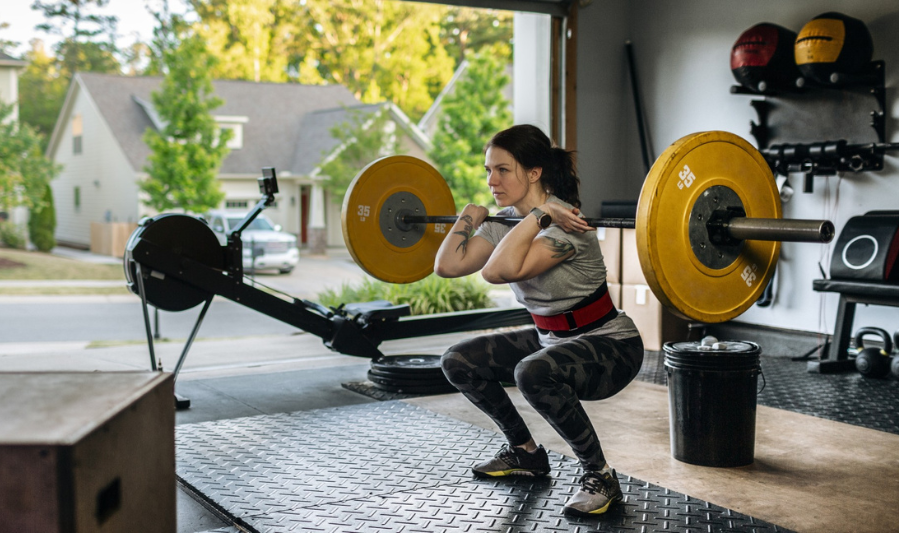
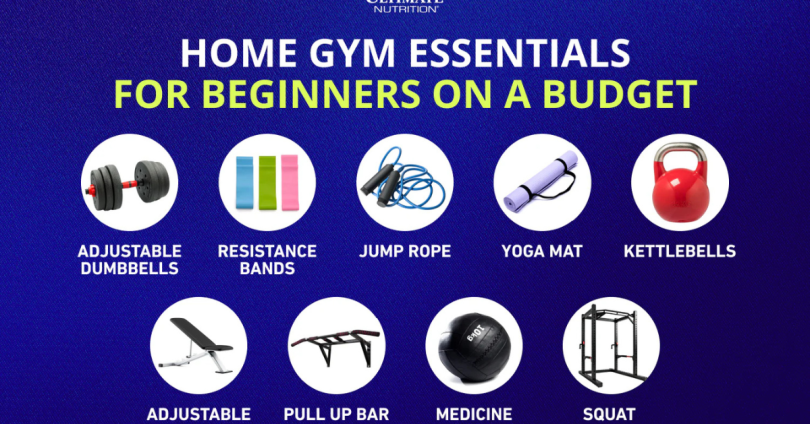
Creating a home workout space doesn’t have to be expensive or complicated. With a few key pieces of equipment, beginners can perform effective strength, cardio, and flexibility exercises from the comfort of home.
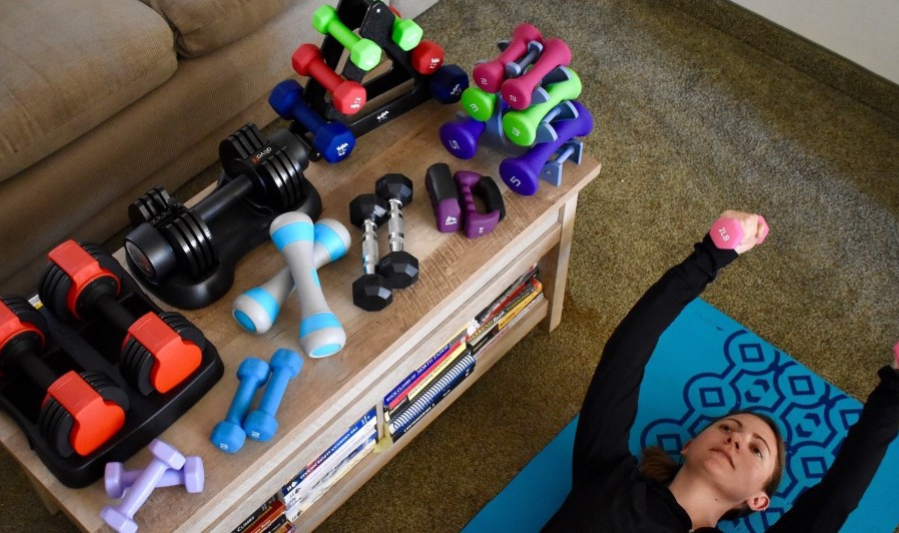
3.1 Dumbbells and Resistance Bands
Benefits:
- Strength training for multiple muscle groups
- Tone muscles and build endurance
- Resistance bands offer low-impact alternatives and versatility
Beginner-Friendly Sets:
- Dumbbells: Start with a range of 5–20 lbs or adjustable sets
- Resistance bands: Light to medium resistance for strength, stretching, and rehab
Tips for Progression and Safe Usage:
- Gradually increase weight or resistance as strength improves
- Maintain proper form to prevent injuries
- Store equipment safely when not in use
3.2 Yoga Mat
Benefits:
- Provides cushioning and stability for floor exercises
- Ideal for stretching, Pilates, yoga, and core workouts
Considerations:
- Thickness: ¼–½ inch for general use; thicker mats for extra joint support
- Material: TPE or natural rubber for durability and grip
- Portability: Lightweight mats roll up easily for storage
3.3 Stability Ball and Medicine Ball
Benefits:
- Stability balls improve core strength, balance, and flexibility
- Medicine balls add resistance for functional training, throws, and partner exercises
Recommended Sizes for Beginners:
- Stability Ball: 55–65 cm depending on height (55 cm for 5’1”–5’8”, 65 cm for 5’9”+)
- Medicine Ball: 4–12 lbs for beginners to maintain control and proper form
3.4 Optional Home Cardio Gear
Affordable, Space-Saving Options:
- Jump Rope: Excellent for cardio, coordination, and endurance
- Mini Stepper: Compact option for low-impact cardio
- Kettlebells: Can be used for strength and dynamic cardio exercises
Tips:
- Start with lightweight or low-impact options
- Ensure adequate space and safety when performing dynamic movements
Gym Equipment for Beginners
For those who want to complement home workouts with gym sessions or set up a small personal gym, choosing beginner-friendly equipment ensures safety, effectiveness, and gradual progression.
4.1 Cardio Machines
Options:
- Treadmill: Ideal for running or walking indoors
- Stationary Bike: Low-impact option for endurance and leg strength
- Elliptical: Low-impact full-body cardio, easier on joints
Tips for Choosing the Right Machine:
- Home vs Gym: Consider space, budget, and usage frequency. Compact or foldable machines work well at home.
- Features: Adjustable resistance, pre-programmed workouts, heart-rate monitoring
- Beginner Advice: Start at low intensity and gradually increase speed/resistance
4.2 Weight Benches and Multi-Gyms
Benefits:
- Provide support for strength training exercises like presses, rows, and curls
- Offer versatility to work multiple muscle groups safely
Types:
- Adjustable Benches: Allow incline, decline, and flat positions for varied workouts
- Fixed Benches: Simple, durable, and suitable for basic exercises
- Multi-Gym Stations: All-in-one machines with pulleys and weight stacks for strength training without multiple pieces of equipment
Tips for Beginners:
- Start with lighter weights and proper form
- Gradually progress to heavier loads as strength improves
4.3 Gym Accessories
Recovery Tools:
- Foam Rollers: Aid self-myofascial release, reduce soreness, and improve flexibility
Bodyweight Training Tools:
- Pull-Up Bars: Strengthen back, shoulders, and arms
- Suspension Trainers (e.g., TRX): Versatile for core, upper, and lower-body exercises
Targeted Strength Training:
- Resistance Machines: Help beginners learn proper form and safely isolate muscles
Tips:
- Use accessories to complement main exercises, not replace them
- Maintain proper form and start with lower resistance levels
Fitness Tracking and Accessories
Small tools and gadgets can make a big difference in your workouts. From tracking progress to supporting recovery and safety, these accessories help beginners stay motivated, consistent, and injury-free.
5.1 Fitness Tracker or Smartwatch
Benefits:
- Track daily activity: steps, distance, and calories burned
- Monitor heart rate and sleep for overall health insights
- Analyze progress over time to stay motivated
Beginner-Friendly Models:
- Fitbit Inspire 3
- Garmin Vivosmart 5
- Apple Watch SE
Tips:
- Start with basic tracking features; advanced metrics can be added as you progress
- Use reminders and goal-setting features to stay consistent
5.2 Hydration and Recovery Tools
Hydration Essentials:
- Reusable water bottles or hydration packs for long workouts
- Gym towels to keep equipment and yourself dry
Recovery Tools:
- Foam rollers for self-myofascial release and muscle relaxation
- Massage balls or yoga straps for stretching and flexibility
Tips:
- Stay hydrated before, during, and after workouts
- Incorporate recovery tools regularly to reduce soreness and prevent injury
5.3 Optional Gear for Safety and Support
Protective Accessories:
- Workout Gloves: Improve grip and protect hands during weightlifting
- Wrist Wraps & Knee Sleeves: Provide support for joints during heavy or high-intensity exercises
- Other Protective Gear: Helmets, elbow pads, or ankle supports if doing specific functional training
Tips:
- Use protective gear when needed, but don’t rely on it to compensate for poor form
- Gradually increase weights and intensity to avoid overuse injuries
Fitness Tracking and Accessories
Even small accessories can have a big impact on your workouts. Fitness trackers, hydration tools, and recovery aids help beginners stay motivated, track progress, and reduce the risk of injury.
5.1 Fitness Tracker or Smartwatch
Benefits:
- Track steps, calories burned, heart rate, and daily activity
- Monitor sleep patterns and recovery
- Set goals and analyze progress over time to stay motivated
Beginner-Friendly Models:
- Fitbit Inspire 3
- Garmin Vivosmart 5
- Apple Watch SE
Tips:
- Start with basic features like step counting and heart-rate monitoring
- Use goal-setting and reminders to build a consistent workout routine
5.2 Hydration and Recovery Tools
Hydration Essentials:
- Water bottles or hydration packs to maintain fluid balance
- Gym towels to keep equipment and yourself dry
Recovery Tools:
- Foam rollers to release tight muscles and improve flexibility
- Massage balls or yoga straps for stretching and targeted recovery
Tips:
- Hydrate before, during, and after workouts
- Include recovery sessions with foam rollers or stretching to prevent soreness and injury
5.3 Optional Gear for Safety and Support
Protective Accessories:
- Workout Gloves: Improve grip and prevent calluses
- Wrist Wraps & Knee Sleeves: Provide joint support during heavier lifts
- Other Protective Gear: Helmets, elbow pads, or ankle supports for functional or high-intensity exercises
Tips:
- Use protective gear as needed, but prioritize proper form and gradual progression
- Replace worn-out gear to maintain safety and effectiveness
Tips for Choosing Beginner Workout Gear
Choosing the right gear as a beginner can feel overwhelming. Focusing on the essentials, comfort, and gradual progression ensures your home or gym setup is effective, safe, and sustainable.
1. Start with Essentials
Why It Matters: Beginners often overbuy, leading to unused or cluttered equipment.
Tips:
- Begin with versatile items like dumbbells, resistance bands, a yoga mat, and supportive footwear
- Focus on tools that cover strength, cardio, and flexibility
2. Prioritize Comfort, Safety, and Versatility
Why It Matters: Comfortable and safe equipment encourages consistency and reduces the risk of injury.
Tips:
- Wear moisture-wicking clothing and proper shoes for your activity
- Choose gear that allows multiple exercises (e.g., adjustable dumbbells, resistance bands)
- Ensure accessories like gloves, wrist wraps, and mats provide support and stability
3. Invest in Quality Over Quantity
Why It Matters: Durable, well-made gear lasts longer and performs better.
Tips:
- Choose reputable brands for key items like dumbbells, mats, and shoes
- Read reviews to verify build quality and safety features
- Avoid cheap, flimsy alternatives that may wear out quickly
4. Gradually Upgrade as You Progress
Why It Matters: Your fitness needs evolve, and gear should evolve with you.
Tips:
- Start light and increase weight, resistance, or complexity over time
- Add optional equipment like stability balls, multi-gyms, or high-tech cardio machines as needed
- Avoid buying advanced gear too early, which may be unnecessary for a beginner
5. Consider Budget-Friendly Options
Why It Matters: Beginners don’t need to spend a fortune to get started.
Tips:
- Look for starter kits that include multiple items in one package
- Use DIY alternatives temporarily, such as water bottles for weights
- Balance cost and quality—spending a little more on essential gear can save money in the long run
You ma also like to read these posts:
Luxury Living Lifestyle Secrets for a Premium Way of Life
How AI Is Shaping the Future in 2026: Key Headlines You Should Know
Latest Job Openings and Career Opportunities Today
How to Hire Talent: A Step-by-Step Guide for Employers
Top Employee Workplace Trends Shaping the Future of Work
Beginner Workout Plans: A Complete Guide to Start Your Fitness Journey
Beginner-Friendly Workout Gear Recommendations
For beginners, the right combination of equipment makes workouts effective, safe, and motivating. Here are practical recommendations for different workout environments:
1. Compact Home Setups
Ideal for: Small spaces or at-home beginners who want versatility without clutter.
Recommended Gear:
- Dumbbells: Adjustable or light fixed sets for strength training
- Resistance Bands: Multiple resistance levels for full-body workouts
- Yoga Mat: Provides cushioning for floor exercises, stretching, and core work
Tips:
- Store equipment neatly with a small rack or shelf
- Focus on exercises that target multiple muscle groups to maximize your setup
2. Gym Starter Kit
Ideal for: Beginners who plan to train at a gym or set up a more advanced home gym.
Recommended Gear:
- Weight Bench: Adjustable for various strength exercises
- Dumbbells or Kettlebells: For strength and functional training
- Cardio Machine: Treadmill, stationary bike, or rowing machine for endurance
Tips:
- Start with moderate weights and simple cardio sessions
- Gradually add machines or accessories as strength and confidence improve
3. Outdoor-Friendly Gear
Ideal for: Beginners who enjoy outdoor workouts, running, or HIIT.
Recommended Gear:
- Running Shoes: Supportive, terrain-appropriate shoes
- Jump Rope: Compact, affordable cardio tool
- Resistance Bands: Portable and versatile for strength, stretching, or warm-ups
Tips:
- Ensure shoes fit well to avoid injuries
- Bring a small water bottle and towel for outdoor sessions
- Combine cardio and resistance work for balanced outdoor workouts
Faqs:
What workout gear do beginners really need?
Beginners should start with versatile essentials like dumbbells or resistance bands, a yoga mat, comfortable workout clothes, and supportive shoes. This setup covers strength, cardio, and flexibility without being overwhelming.
Do I need expensive equipment to start working out?
No! Many affordable options like resistance bands, jump ropes, and adjustable dumbbells provide effective workouts. Focus on gear that is safe, versatile, and durable rather than pricey.
How do I choose the right shoes for my workouts?
Select shoes based on your main activity: running shoes for cardio, cross-training shoes for gym workouts, or flat shoes for strength training. Proper fit, cushioning, and support are essential to prevent injuries.
Can I do a full workout at home with beginner gear?
Yes! With a few basic items like dumbbells, resistance bands, a yoga mat, and a stability ball, you can perform strength training, cardio, core exercises, and stretching routines at home.
How do I maintain and care for my workout gear?
Clean mats, bands, and accessories regularly, inspect weights and machines for wear, store equipment properly, and follow safety instructions. Proper care extends the life of your gear and keeps workouts safe.
Conclusion
Starting your fitness journey is exciting, and having the right workout gear can make all the difference. For beginners, essentials like comfortable workout clothes, supportive shoes, dumbbells or resistance bands, and a yoga mat provide a strong foundation for strength, cardio, and flexibility training.
Remember to start small, focus on versatile and durable equipment, and gradually expand your gear as your fitness level improves. With the right tools, consistency, and motivation, you can build a safe, effective, and enjoyable workout routine that helps you achieve your goals.